What's Inside (Skip Ahead)
I've been gardening in a deer-heavy corridor for a decade—one side is wild woodland, the other a suburban street. The first three years, I lost nearly everything to browsing. Then I started keeping records. Which flowers got nibbled to the ground, which got a polite nibble and were left alone, and which deer walked right past like the plant was invisible. This isn't a list pulled from a garden center tag. It's what I've watched survive in real dirt.
Here's the blunt truth about deer resistant flowers: there is no such thing as deer-proof. A starving deer in late February will eat almost anything. But resistant means the plant has defense mechanisms—fuzzy leaves, bitter sap, strong scent—that make it a last-choice snack. And some plants sold as "resistant" still get destroyed. I'll tell you which ones and why.
Why Most Deer-Resistant Lists Fail
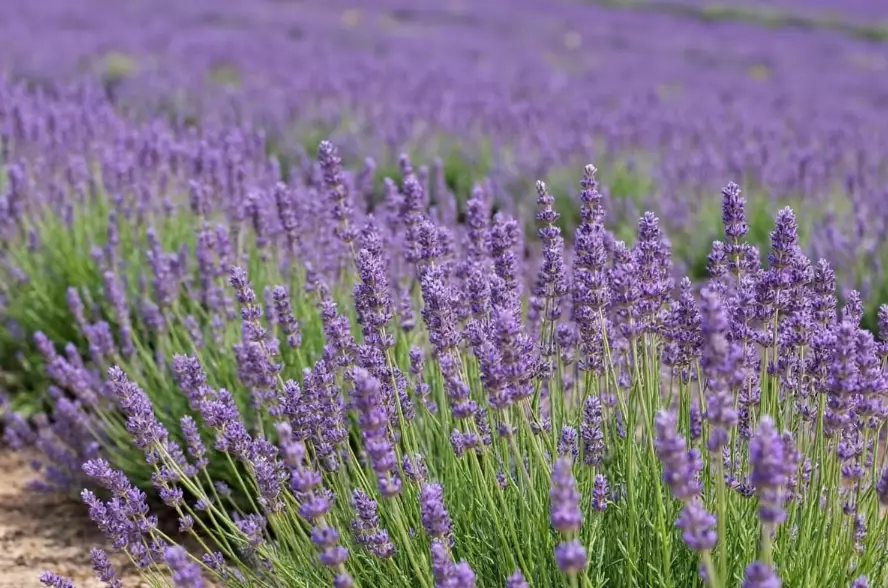
You see the same plants copied from list to list: lavender, daffodils, peonies. And they do work—most of the time. But here's the nuance nobody mentions: deer learn. A herd that avoids lavender in June will sometimes mow it down in October when acorns are scarce. I've watched a doe nibble the flower buds off my lavender like it was a dessert buffet, then leave the leaves untouched. The plant survived, but it looked ragged for a year.
The other issue? Planting a "resistant" plant next to a deer's favorite buffet is useless. If your garden is next to a wooded edge with young maples and hostas, deer will walk through your resistant border to get to the good stuff—and trample or taste-test everything on the way. Resistance works best when the whole garden leans in that direction, not as a lone soldier.
The label trap: Garden centers sell annuals like begonias and impatiens as "deer resistant" because deer usually ignore them in favor of other food. But I've seen deer eat entire flats of impatiens in a drought year. Annuals are cheap to replace—that's their real resistance strategy.
The 12 Proven Deer-Resistant Flowers
These are the plants that have survived multiple seasons in my garden with only occasional cosmetic damage. I've ranked them by how consistently they've held up.
| # | Flower | Why Deer Avoid It | Best Spot in Garden |
|---|---|---|---|
| 1 | Daffodil (Narcissus) | Toxic bulbs and leaves; bitter taste | Front border, scattered through beds |
| 2 | Lavender (Lavandula) | Strong camphor scent; fuzzy leaves | Sunny edge, path borders |
| 3 | Peony (Paeonia) | Tough leaves; deer dislike the texture and taste | Mid-border, backdrop for annuals |
| 4 | Foxglove (Digitalis) | Toxic foliage; deer learn quickly | Shade to part-sun, woodland edge |
| 5 | Bee Balm (Monarda) | Mint-family oils; strong smell | Pollinator patch, near vegetable garden |
| 6 | Yarrow (Achillea) | Bitter, aromatic foliage | Dry sunny slope, gravel garden |
| 7 | Russian Sage (Perovskia) | Strong sage-like scent; woody stems | Back of border, hot afternoon sun |
| 8 | Catmint (Nepeta) | Minty oils; deer avoid the smell | Edging, pathway spills |
| 9 | Globe Thistle (Echinops) | Spiny stems and flower heads | Mid-border, architectural grouping |
| 10 | Black-Eyed Susan (Rudbeckia) | Rough, hairy stems and leaves | Wildflower patch, meadow edge |
| 11 | Lamb's Ear (Stachys) | Dense fuzzy texture deer reject | Gravel path edge, dry corner |
| 12 | Butterfly Weed (Asclepias) | Milky sap; deer avoid | Pollinator garden, sandy soil |
What I've noticed about the top three on this list: they all have strong scent or toxicity working together. Daffodils are the most reliable by a wide margin—I've never seen a deer touch them, even in a hard winter. Lavender is a close second, but the flower buds are vulnerable. Peonies hold up because the leaves are leathery and the stems are thick; deer don't like the effort-to-calorie ratio.
One plant that keeps showing up on resistance lists but got destroyed in my garden: daylilies. Deer eat them like candy—flowers, buds, even the seed pods. Skip them unless you have a fence. Same for hostas. They're deer salad.
How to Plant These Flowers So Deer Leave Them Alone
Design a resistance gradient, not a random mix
Deer browse from the edge inward. Put your most resistant plants on the perimeter (daffodils, lavender, Russian sage) and your more vulnerable or prized plants closer to the house. I learned this after deer pushed through a weak front border to destroy a bed of tulips. Now the front row of daffodils and catmint acts like a discouraging wall—not because deer can't cross it, but because it's not worth the effort when there's better food elsewhere.
Use smell as a barrier, not just taste
Deer rely heavily on scent. I plant bee balm and catmint around the edges of beds where deer enter. The minty, sharp smell is enough to make them hesitate. One evening I watched a young buck approach the catmint border, sniff the air a few times, then veer off toward the neighbor's untreated garden. That's the goal—redirect, not repel.
Time your heavy planting around seasonal deer pressure
In my region, spring through early summer is when deer wander the most and graze on new growth. Fall is when they stress-test resistant labels. I plant new perennials in early fall so they establish roots before winter, but I protect them with a simple hoop net for the first few weeks. Once the frost kills the surrounding annuals, deer are still around but less interested in tough foliage.
A trick that surprised me: bury the fertilizer
Deer aren't digging up your plants, but they do notice fresh soil and fertilizer smells. I stopped top-dressing with fish emulsion or blood meal on beds near deer paths—those smells attract curious deer. Mix compost and slow-release organic fertilizer into the hole instead. It made a measurable difference in deer traffic near my foxgloves.
Reader Questions I Actually Get Asked
I've stopped looking for a perfect list and started watching deer behavior day to day. That's the real method. Keep a note on your phone when you see damage—what plant, what time of year, what the deer did. Within two seasons you'll have your own localized list that beats any generic tag.
This guide is based on firsthand observation in a mixed woodland-suburban garden. All plant behavior notes reflect personal field records, not lab conditions.

Comments
Share your experience