My Quick Garden Cheat Sheet
I built my first low maintenance flower garden after a knee injury in 2019. I couldn't kneel, drag hoses, or spend weekends deadheading. So I ripped out the fussy annuals and tested 20+ perennials over three seasons. What's left? Seven plants that don't care if I ignore them for a week. This guide shares exactly what works, what dies, and the small setup choices that save you hours by July.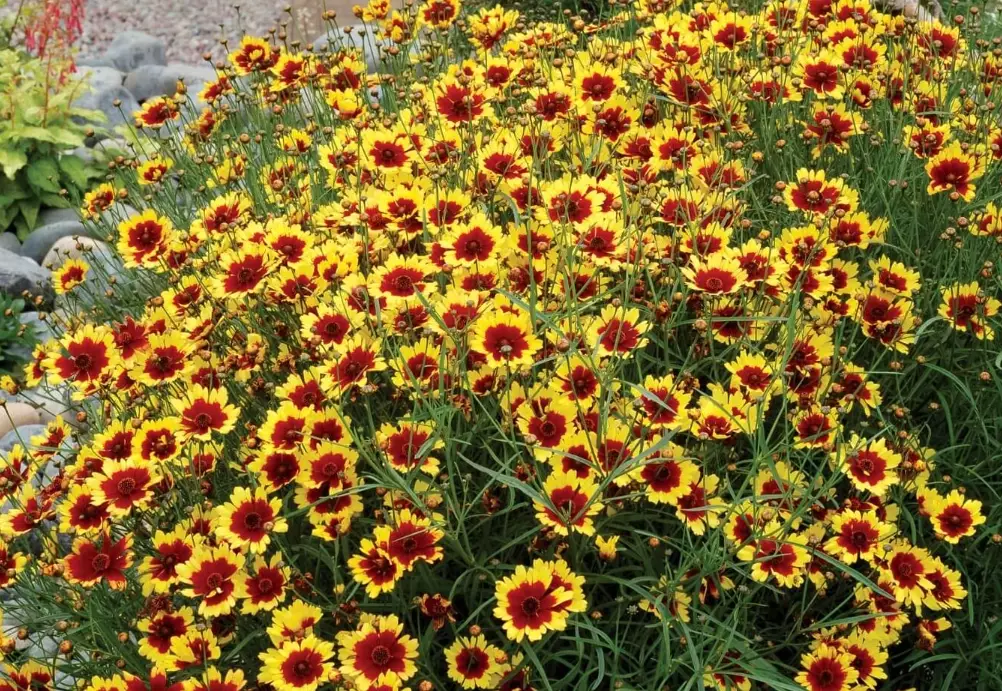
What Makes a Flower Garden Truly Low Maintenance?
Most "low maintenance" plant lists just repeat the same drought-tolerant names. But low maintenance means less of three specific tasks: watering, weeding, and deadheading. A plant that's drought-tolerant but spreads everywhere is not low maintenance. I learned that the hard way with bishop's weed.
The real trick is matching plants to your soil and light before you buy. My neighbor's sandy yard loves lavender. My clay-heavy yard killed it in two months. Same plant, different maintenance load. So start by checking your soil drainage with a simple hole test (dig a 12-inch hole, fill with water, see how fast it drains). If it takes more than 4 hours, pick plants that tolerate wet feet.
Non-consensus tip: The most overlooked low-maintenance trick is planting densely. Bare soil invites weeds. I pack perennials 12–15 inches apart, which cuts weeding time in half by the second year. It feels crowded at first. Trust the process.
Top 7 Low Maintenance Flowers (And What I've Learned)
These are plants I've grown in USDA zones 5–7, some for four years. I've noted the specific care each one actually needs, not just the generic plant tag info.
| Plant | Why It's Low Maintenance | The One Task You Can't Skip | My Real-World Note |
|---|---|---|---|
| 1. Coneflower (Echinacea) | Drought-tolerant, comes back every year, seed heads feed goldfinches | Cut back stems in late winter | Powdery mildew hit mine in a humid July. I thinned the patch and it never returned |
| 2. Daylily (Hemerocallis) | Almost indestructible, multiplies on its own, tolerates poor soil | Divide every 4–5 years if blooms shrink | The orange ditch lily spreads fast. I planted 'Stella de Oro' instead for repeat blooms |
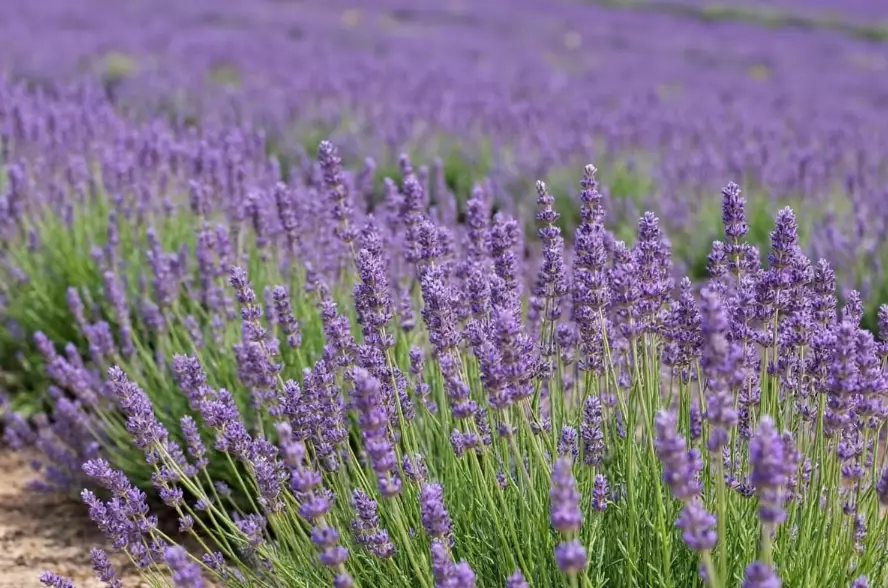
| 3. Lavender (Lavandula) | Loves dry heat, deer-resistant, evergreen in mild winters | Prune lightly after flowering | It rotted in my clay soil. In raised beds with gravel, it's thriving |
| 4. Black-eyed Susan (Rudbeckia) | Self-seeds gently, blooms for 8+ weeks, handles heat | Water deeply the first month only | It flops in rich soil. I stopped amending and the stems got sturdier |
| 5. Sedum 'Autumn Joy' | Succulent leaves store water, no pests, winter interest | Cut back in early spring | Heavy snow snapped mine. I leave the dried stems up now for structure |
| 6. Catmint (Nepeta) | Deer-proof, drought-proof, blooms May to September | Shear after first flush for rebloom | The 'Walker's Low' variety spills over my path. I trim it twice a season max |
| 7. Yarrow (Achillea) | Thrives in poor soil, attracts beneficial wasps, dries well | Divide if it gets woody in the center | It spread aggressively in my loose mulch. I planted it near the driveway edge as a border |
Why I Skip Most Annuals (Except One)
Annuals need replanting every year. That's not low maintenance. The one exception: cosmos. I scatter seeds once in May and they return from dropped seed. But the real workhorse is perennials. They cost more upfront (roughly $12–18 per plant at my local nursery) but pay you back every spring.
How to Plant for Less Work Long-Term
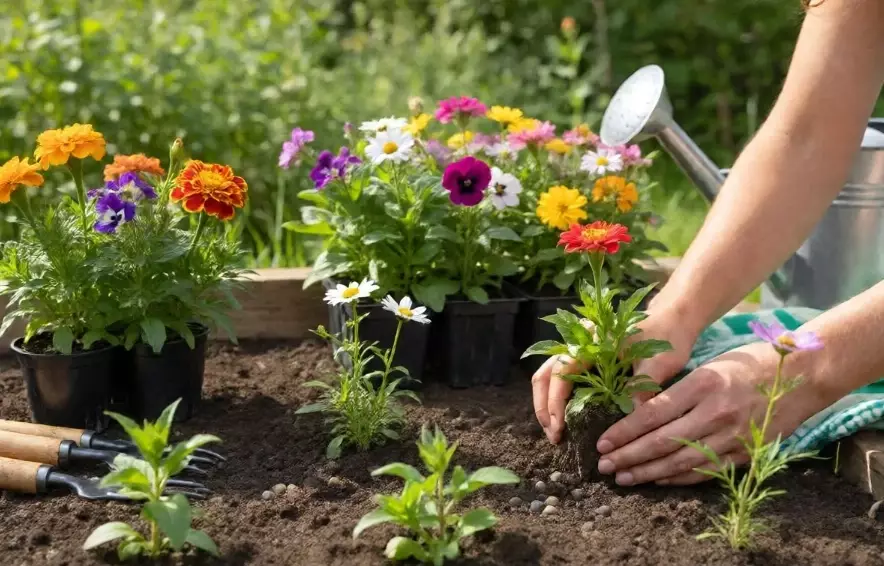
The planting hole matters more than the plant choice. Here's my exact sequence:
- Choose a morning-sun spot. Afternoon shade reduces watering needs by about 30% in my experience.
- Plant in fall, not spring. Roots establish before summer heat. I planted three coneflowers in October and lost zero. Spring-planted ones needed weekly water.
- Top with 2 inches of shredded leaf mulch. Not bark chips. Leaf mulch breaks down and feeds the soil. I get free bags from my city's leaf collection program (check your municipal website).
- Water deeply once a week for the first month. One long soak beats daily sprinkles. Then stop. Seriously.
The Watering Trick I Wish I Knew Sooner
I used to water a little every day. That made shallow roots. Now I water once a week, but I push my finger into the soil first. If it's damp two inches down, I skip watering. This one habit saved my plants during a 3-week heat wave when my neighbor's daily-watered garden wilted.
The Beginner Mistakes That Create Extra Work
I've made every mistake below. These are the ones that turn a low maintenance garden into a weekend job.
Planting in a low spot. Water pools, roots rot, you replace plants. Fix it by building a small mound (berm) with soil before planting.
Using landscape fabric. Weeds grow on top of it, and the fabric sheds microplastics. I pulled mine out after one season and switched to mulch. Big improvement.
Fertilizing perennials. Rich soil makes floppy stems. I stopped fertilizing entirely and my plants stand taller. Native perennials evolved in lean soil.
Deadheading everything. I only deadhead daylilies and catmint. Coneflowers, sedum, and yarrow keep their seed heads for winter birds and visual interest. Less work, more wildlife.
My specific observation: The best low maintenance garden I've seen belongs to a friend who planted 80% native perennials. She waters twice a month in summer. Her secret? She chose plants from a local native plant sale, not a big-box store. The plants were already adapted to our region's rainfall. Worth the extra drive.
Quick Questions with Real Answers
Fact-checked against USDA plant hardiness zone guidelines and local extension office recommendations. No affiliate links.

Comments
Share your experience