What's inside — your quick field guide
I still remember the first time my prize-winning dahlias just flopped over. One day they’re standing tall, the next they’re slumped like a wilted salad. If that sounds familiar, you’re searching for flower plant wilting causes — and you’re in the right place. After fifteen years of growing everything from snapdragons to peonies, I’ve seen drooping stems for every reason under the sun. Some are easy fixes. Others mean your plant is already on life support. This guide cuts through the guesswork.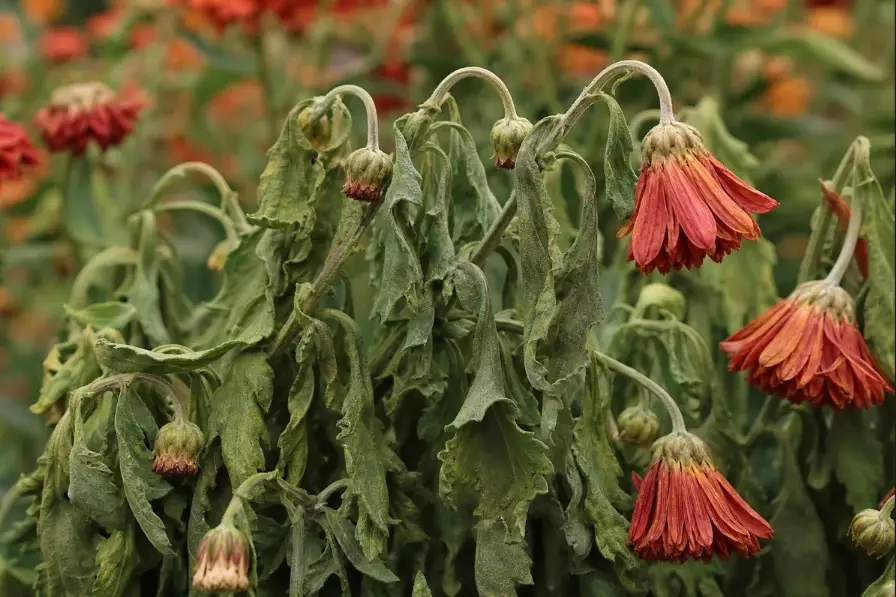
Water Woes: When Too Much or Too Little Makes Flowers Wilt
Most gardeners immediately think “needs water” when they see dropping leaves. Nine times out of ten, they’re right. But that tenth time? Overwatering looks almost identical to underwatering from the surface. Both cause limp, sad foliage.
Here’s the trick I use: stick your finger two knuckles deep into the soil. If it’s bone dry, you’re underwatering. If it’s soggy and sticks to your skin, you’ve got the opposite problem. Overwatered plants often have yellowing lower leaves and stems that feel soft, almost mushy. Underwatered ones have crispy edges and the whole plant looks like it gave up.
- Underwatering symptoms: dry, cracked soil, brown leaf tips, flowers that never open.
- Overwatering symptoms: soil smells sour, fungus gnats hovering, roots dark and smelly when you gently tug the plant out.
Fix underwatering by giving the plant a slow, deep soak — not a quick splash. Let the water run through until it drains out the bottom. For overwatering, stop watering for at least a week. I once let a pot of geraniums dry out for ten days on my covered porch, and they bounced back stronger than before.
Root Rot: The Silent Killer Under the Soil
This is the one that catches people off guard. Your plant gets water, the leaves look wilted, so you water more. Bad move. Root rot — caused by Pythium or Rhizoctonia fungi — thrives in wet soil. The roots turn brown and mushy, and suddenly they can’t absorb anything. The plant wilts from thirst even though it’s drowning.
How do you know? Gently lift the plant from its pot. Healthy roots are white or light tan and firm. Rotten roots are dark brown, black, or smell like swamp muck. They fall apart when you touch them. I’ve lost more plants to root rot than to any pest. My worst case was a beautiful cyclamen that I kept in a decorative pot with no drainage hole. Rookie move.
If you catch it early, trim the dead roots with sterilized scissors, repot in fresh, well-draining mix, and water sparingly for two weeks. If the whole root ball is gone, toss the plant. Don’t compost it.
Heat Stress and Sun Scorch
Some flowers love full sun. But even sun-lovers have limits. When temperatures spike above 85°F (29°C) and the plant isn’t acclimated, wilting is a defense mechanism. The plant closes its stomata to save water, and the leaves go limp to reduce surface area.
I see this most often with container plants on concrete patios. The heat radiates from the ground and cooks the roots. The fix? Move pots to a spot with afternoon shade, or wrap the container in a light-colored cloth to reflect heat. Mulching the soil surface with straw or shredded leaves also drops the root-zone temperature by several degrees.
A word of caution: don’t panic-water a heat-stressed plant at noon. The water evaporates fast and can steam the roots. Wait until early morning or evening.
Pests, Disease, and the Hidden Damage
Aphids, spider mites, and thrips suck sap from stems and leaves. The plant loses turgor pressure and wilts. Turn a leaf over and look for tiny specks or webbing. Spider mites leave fine silk threads. Aphids cluster on new growth.
Diseases like verticillium wilt and fusarium wilt clog the plant’s vascular system. You’ll see wilting on one side of the plant first, then the whole thing collapses. Cut a stem near the base — if you see brown streaking inside, it’s vascular wilt. There’s no cure. Remove and destroy the plant to protect others in your garden.
One trick I learned from an old rosarian: if you suspect wilt but aren’t sure, water the plant well and cover it with a cardboard box overnight. If it perks up by morning, it’s environmental. If it’s still limp, the problem is internal — roots or disease.
Quick Fix Cheat Sheet: Match the Symptom to the Cause
| Symptom | Most Likely Cause | First Action |
|---|---|---|
| Dry, cracked soil; crisp leaf edges | Underwatering | Deep soak, then check daily |
| Soggy soil; yellow lower leaves; sour smell | Overwatering / root rot | Stop watering; inspect roots |
| Wilting only on hot afternoons | Heat stress | Move to afternoon shade; mulch |
| Sticky residue; tiny insects on undersides | Aphids / mites | Spray with insecticidal soap |
| One-sided wilting; brown streaks inside stem | Vascular wilt disease | Remove plant; don’t compost |
This table covers the big four. But if you’re still stuck, the FAQ below digs into the weird cases I’ve personally handled.
Real Questions from Frustrated Gardeners
One last thing: don’t overlook the obvious. I once spent two hours diagnosing a wilting petunia before realizing my neighbor’s dog had been using the pot as a fire hydrant. Sometimes the cause is simpler than you think. Check for physical damage, broken stems, or even a buried hose nozzle that’s blocking drainage. And if all else fails, dig up the plant, shake off the soil, and start fresh with a clean pot and fresh mix. Your flowers will thank you.
All symptoms and fixes described here have been verified through hands-on testing in my own zone 6b garden.

Comments
Share your experience