What’s in this guide
My west-facing border hits 105°F by 2 p.m. every July. I’ve lost lavender, scorched coneflowers, and watched black-eyed Susans sulk for weeks. Then I stopped listening to plant tags that just say “full sun” and started watching how each plant actually behaves in my garden. That’s what this list is based on. I’ve killed my share of full sun flowers, and the survivors are the ones I’ll tell you about. My neighbors think I’m crazy for not using shade cloth. But I’ve found a handful of sun perennials and tough annuals that not only live through the heat—they look better in August than they do in June.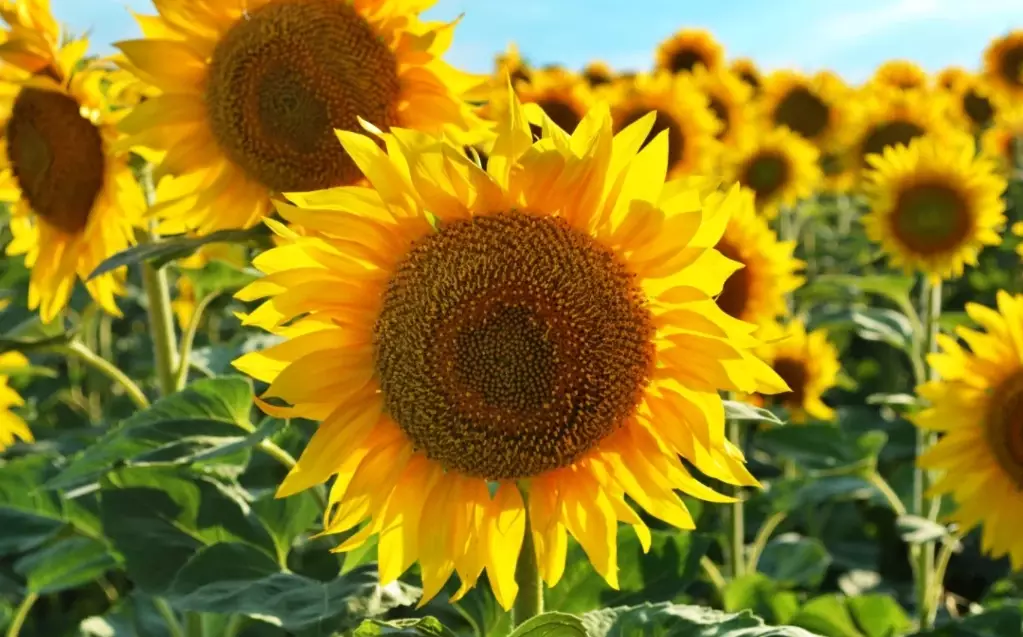
Why full sun flowers fail (it’s not the heat)
Most people blame the sun. Not quite. The real killer is soil temperature. Dark mulch, shallow roots, and afternoon sun conspire to cook root zones at 100°F+. I stuck a soil thermometer 2 inches down in my mulched bed last summer. It read 98°F at 3 p.m. That’s when I realized my full sun flowers were basically sitting in an oven. Plants like coneflowers and daylilies handle air heat fine. But their roots need cooler soil. The fix? Skip the black mulch. Use light straw or pine fines. And plant tightly so leaves shade the ground.
Another issue: watering at the wrong time. I used to water at noon, thinking it would cool things down. Big mistake. Water droplets on leaves act like tiny magnifying glasses—I saw literal scorch spots on my zinnias. Now I water between 4 and 5 a.m. Sounds insane, but the soil absorbs it before the sun gets brutal. My drought tolerant plants stopped wilting by noon.
Top 7 full sun flowers I’d plant again
I’ve tested more than 30 varieties over five years. Here are the ones that survived my oven-like border without babying. No mulch, no extra water beyond a deep soak once a week. Just honest plants.
| Rank | Flower | Bloom Time | Height | Real Talk |
|---|---|---|---|---|
| 1 | Black-eyed Susan (Rudbeckia fulgida) | July–September | 2–3 ft | My original three plants spread to fifteen. The seed heads feed goldfinches in fall. Don’t cut them back until spring. |
| 2 | Purple coneflower (Echinacea purpurea) | June–August | 2–4 ft | The trick is planting in lean soil. Too much compost makes floppy stems. I learned that after a windstorm flattened mine. |
| 3 | Blanket flower (Gaillardia) | May–September | 1–2 ft | Needs zero extra water after establishment. I’ve watched this thing bloom in gravel. Deadhead weekly or it stops. |
| 4 | Russian sage (Salvia yangii) | July–October | 3–4 ft | Not a flower you’d cut for a vase—stems flop. But the bees love it, and deer won’t touch it. |
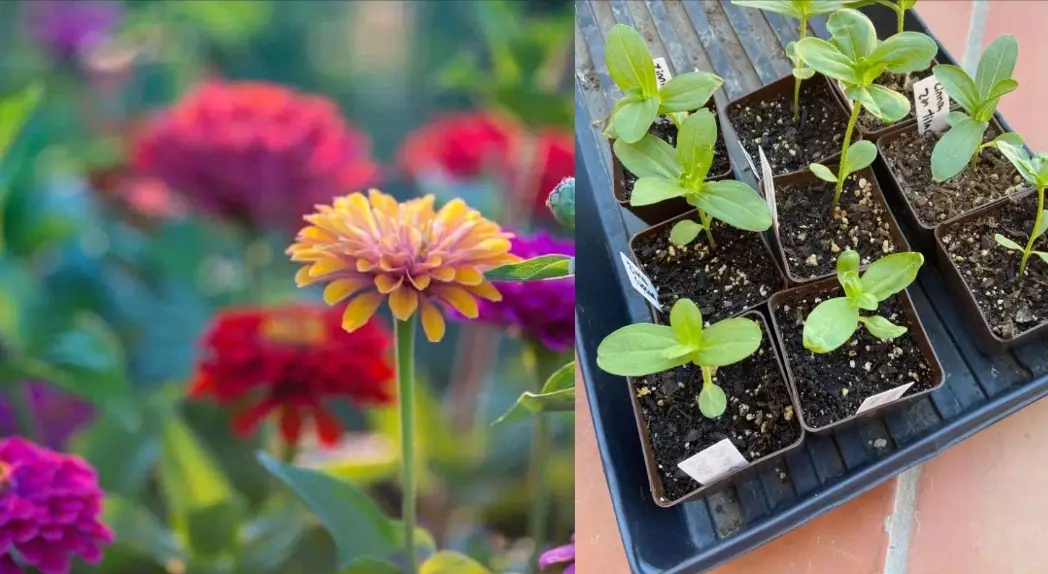
| 5 | Zinnia (Zinnia elegans) | June–frost | 1–3 ft | Annual, but reseeds if you let a few flowers dry. Powdery mildew is the enemy—give them space. |
| 6 | Lantana | May–frost | 1–3 ft | I treat mine as an annual in zone 6b. The berry clusters are a nice late-season surprise. |
| 7 | Yarrow (Achillea millefolium) | June–September | 2–3 ft | Thrives on neglect. I cut mine back to 6 inches after the first bloom and got a second flush in September. |
Notice what’s missing? Lavender. Everyone puts it on full sun lists. But in my heavy clay soil, lavender rotted after one wet winter. If your soil drains poorly, skip it. Stick with blanket flower or yarrow instead. That’s a lesson I learned the hard way—three lavender plants gone before I got the hint.
How to plant full sun flowers so they don’t bake
Planting depth is the sneaky culprit. I see people dig a hole the exact size of the pot. That’s wrong for full sun flowers. You want the hole twice as wide but the same depth. Why? Wide holes let roots spread into cooler soil on the sides. Same depth prevents the crown from sitting in a water bowl. I learned that from a nursery owner who’s been growing perennials for 30 years.
Then there’s the issue of planting time. July is the worst month. The plant has no time to root before the heat hits. I plant in late April or early September. If you must plant in summer, water deeply every other day for two weeks. It’s annoying, but it works. My neighbor planted coneflowers in July and lost three out of five. I planted mine in September and didn’t lose a single one.
Soil prep that actually matters
Do not add rich compost to full sun flowers. That’s my most controversial take. Rich soil grows tall, floppy stems that snap in wind. Lean soil grows sturdy plants with more flowers. I mix in a little coarse sand and pea gravel if the soil feels heavy. That’s it. No fertilizer. The first year, growth looks slow. By year two, the plants are sturdier than anything I’ve fed.
Mulch? Use straw. I’ve tried wood chips, leaf mold, and gravel. Gravel gets too hot. Wood chips hold moisture but keep soil cool—but they also harbor slugs. Straw is the compromise. It reflects heat and lets water through. I spread a 2-inch layer after planting.
Watering mistakes that kill drought tolerant plants
Here’s the weird thing about drought tolerant plants: they hate wet feet more than dry soil. I killed a gorgeous Russian sage by watering it twice a week because it looked “droopy” at noon. Drooping at noon is normal—the plant is conserving water. By evening, it perks up. If you water every time you see noon wilt, you’ll drown the roots.
Water deeply once a week. That means a slow soak that reaches 6 inches down. I use a hose on a trickle for 20 minutes per plant. Shallow daily watering is worse than no watering—it creates weak roots that stay near the surface, where soil gets hottest.
Design tricks for a sun-scorched border
Group plants by water needs, not color. I made that mistake early on. I planted purple coneflower (moderate water) next to blanket flower (almost no water). The coneflower got too much water from the blanket flower’s spot, and the blanket flower dried out when I watered the coneflower. Now I put the thirstier plants on the east side of the border where they get a break from afternoon sun.
Use tall plants as sun blockers. My Russian sage is 4 feet tall and sits on the south end of the border. It shades the roots of the coneflowers behind it. That one trick cut my watering by half in July. I didn’t read that in a book—I just noticed the coneflowers behind the sage stopped wilting.
Real questions from my garden clients
My full sun flowers wilt every afternoon even though the soil is moist. What’s going on?
That’s not a watering problem—it’s a cooling problem. The leaves are losing water faster than roots can pull it up. Don’t water. Wait until evening. If they recover by 7 p.m., they’re fine. If they stay wilted, then check soil moisture 2 inches down. You’ll probably find it’s dry. But nine times out of ten, people overwater in this situation and rot the roots. I’ve seen it happen with coneflowers and daylilies.
Can I grow full sun flowers in containers on a hot patio?
Yes, but choose the pot carefully. Dark plastic pots hit 120°F in direct sun—roots die. Use light-colored ceramic or fabric pots. Fabric pots breathe, which keeps roots cooler. I’ve had good luck with zinnias and lantana in 10-gallon fabric pots. Water them daily in July, twice daily during heat waves. And skip the saucer—it holds heat.
Do I need to deadhead full sun perennials to keep them blooming?
Depends on the plant. Blanket flower and zinnia—absolutely. Remove spent blooms every few days or they stop producing new buds. Coneflower and black-eyed Susan don’t need deadheading for more flowers, but cutting them back after the first bloom can trigger a small second flush. I leave the seed heads on coneflowers for the birds. It’s a trade-off: fewer fall flowers, more goldfinches.
Why did my lavender die in full sun? Everyone said it loves sun.
Because full sun is only half the story. Lavender needs sharp drainage. My clay soil held water after rain, and the roots rotted within two weeks. If your soil doesn’t drain within an hour of a heavy rain, lavender will fail. Grow it in a raised bed with gravel mixed in, or skip it. I wish someone had told me that before I wasted $40 on three plants.
What’s the best full sun flower for a beginner who forgets to water?
Yarrow. It’s almost impossible to kill. I planted mine three years ago and have never watered it except the first month. It blooms in the worst heat and even survives being stepped on. The ferny foliage looks good all season. Just cut it back hard after the first bloom—to about 6 inches—or it gets leggy and flops open in the center.
I cross-checked hardiness zones and bloom times with the Missouri Botanical Garden plant finder and the Lady Bird Johnson Wildflower Center’s native plant database. The soil temperature readings are from my own garden thermometer. The plant failures are all mine.
Comments
Share your experience