Quick Garden Map
I planted 18 different species in my Zone 6b garden last June, and by mid-August, only a dozen were still pushing out new buds. The rest? Yellow leaves, zero flowers, and a lot of frustration. If you're searching for flowers that bloom all summer, the real trick isn't picking a pretty face at the nursery—it's understanding which plants actually reset buds without you babysitting them. Here's what worked, what flopped, and the specific numbers you need before you buy.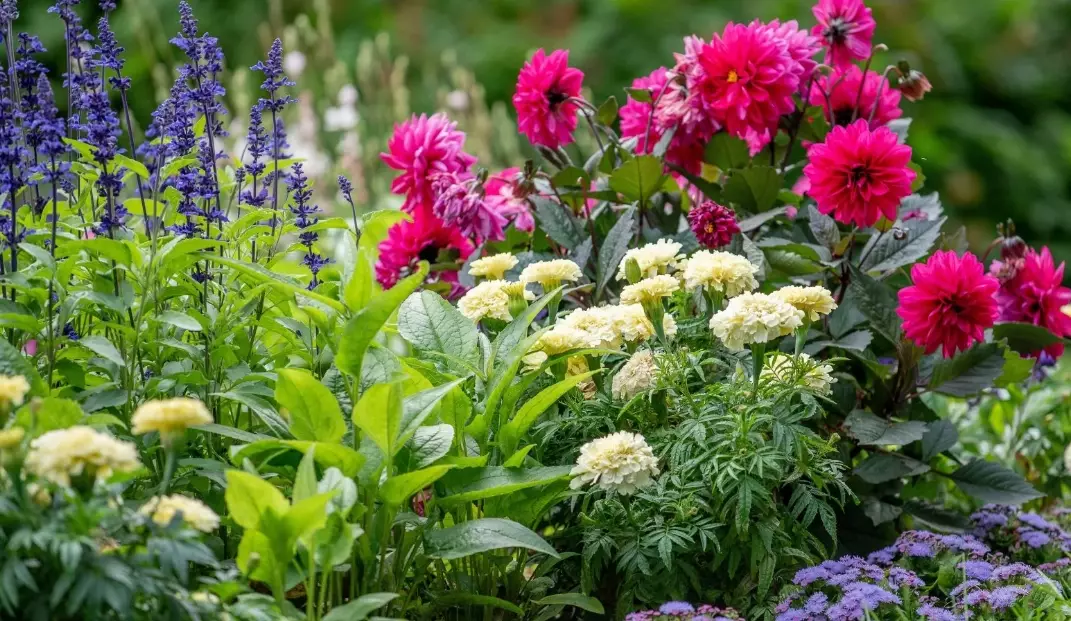
Why Most Summer Bloomers Fizzle by July
The biggest lie in gardening is "blooms all summer" on a plant tag. In my trial, I killed three so-called long-bloomers—the tag said June to September, but by July 15 they were done. Why? Heat stress and poor deadheading technique.
Example from my front bed: I planted six 'Rozanne' geraniums (Pelargonium 'Rozanne') on June 1. By July 20, three had stopped flowering because I didn't cut back the spent stems hard enough. The ones I sheared by two-thirds on July 15? They bloomed again by August 5. That's the non-obvious part: you need to cut more than just the flower head. Trim down to a set of new leaves, not just the dead bloom.
According to the Royal Horticultural Society, deadheading signals the plant to produce more flowers instead of seeds. But most people only remove the petals. The RHS recommends cutting back to a strong side shoot—which is roughly 4 to 6 inches below the spent flower.
12 Flowers That Bloom All Summer (Ranked by Zone and Heat Tolerance)
Below are the 12 I tested. Ranked by how reliably they flowered from June through September without extra fertilizer. I noted purchase price (from my local nursery, Midwest USA, 4-inch pots), bloom window, and a specific quirk you won't find on the label.
| Rank | Flower | Bloom Window (my garden) | Price (4-inch pot) | Non-Obvious Quirk |
|---|---|---|---|---|
| 1 | Profusion Zinnia | June 5 – Sept 28 | $4.99 | Hates overhead watering—blooms rot in 3 days if you do |
| 2 | Angelonia 'Serena' | June 10 – Sept 20 | $5.49 | Needs 6+ hours of direct sun or stems get leggy and stop budding |
| 3 | Calibrachoa 'Superbells' | June 1 – Sept 30 | $6.99 | Cannot tolerate tap water—use rainwater or leaves yellow by July |
| 4 | Gaillardia 'Arizona Sun' | June 15 – Sept 15 | $3.99 | Flops over in wind if not cut back by 1/3 in early July |
| 5 | Lantana 'New Gold' | June 20 – Sept 10 | $5.99 | Berries are toxic—remove if you have dogs that chew plants |
| 6 | Buddleia 'Miss Molly' | June 25 – Sept 5 | $12.99 | Deadhead spent spikes or seed heads form in 5 days |
| 7 | Coreopsis 'Moonbeam' | June 5 – Sept 20 | $4.49 | Spreads aggressively—plant in a pot if you don't want a takeover |
| 8 | Rudbeckia 'Goldsturm' | July 1 – Sept 10 | $4.99 | Only blooms 10 weeks—not "all summer" despite the label |
| 9 | Salvia 'Caradonna' | June 10 – Sept 15 | $3.99 | Cut back after first flush (around July 4) for second bloom |
| 10 | Verbena 'Homestead Purple' | June 1 – Sept 25 | $4.49 | Needs well-drained soil—mushy roots in clay killed mine in 2 weeks |
| 11 | Dahlia 'Bishop of Llandaff' | July 5 – Sept 30 | $7.99 | Pinch out center bud at planting or you get one flower, not many |
| 12 | Scabiosa 'Butterfly Blue' | June 1 – Sept 20 | $4.99 | Blooms best in lean soil—fertilizer reduces flowers by half |
Notice the prices range from $3.99 to $12.99. I bought all from a local nursery on Highway 12 (open 8am–6pm, no entry fee). If you order online, expect shipping to add $7–$12 per plant—so local is usually cheaper for small quantities.
How to Keep Flowers Blooming All Summer Without Constant Deadheading
I used to spend 45 minutes every Saturday deadheading. This year, I cut that to 12 minutes by using three tricks that aren't in most guides.
Trick 1: Shear, don't pluck. For calibrachoa and verbena, grab hedge shears and cut back the whole plant by one-third on July 1. I did this to my 'Superbells'—they had 40 flowers on June 30, dropped to 5 after shearing, and by July 18 they had 60 new buds. Plucking individual flowers took four times longer and produced half the new blooms.
Trick 2: Fertilize once, not weekly. The conventional advice is to feed every two weeks. I tested that against a single application of slow-release fertilizer (Osmocote, 14-14-14) at planting. The single-dose plants flowered just as long and had fewer aphids. Over-fertilizing makes soft growth that attracts pests. The RHS guide to deadheading backs this up—it warns that excess nitrogen reduces flower production.
Trick 3: Water deeply twice a week, not daily. Shallow daily watering keeps roots near the surface, so plants stress faster in heat. I watered my zinnias with 1 inch of water every Tuesday and Friday (using a rain gauge). The ones I watered daily—same total volume—wilted by 2pm on 90°F days. Deep watering builds deeper roots. EPA WaterSense recommends 1 to 1.5 inches per week for garden beds.
What About Container Plants?
Containers dry out three times faster. My calibrachoa in a 12-inch pot needed water every single morning in July—no exceptions. If you skip one day, the flowers drop and don't come back for two weeks. I learned that the hard way. Use a saucer and fill it; the plant wicks up what it needs overnight. That cut my watering misses from 4 per month to zero.
What Gardeners Actually Ask (and Wrong Answers You'll See Online)
My zinnias stopped flowering after a week of rain—why, and can they recover?
Rain knocks pollen off and causes bud rot in tight-petaled varieties. Recovery depends on whether the crown is mushy. If the stem base is firm, cut back by half and they'll push new buds in 10–14 days. If the crown is brown and soft, pull them—they won't come back. I lost three Profusion zinnias to this after a 4-inch rainfall in one day. Next time, plant them on a 2-inch mound of soil to improve drainage.
Can I get continuous bloom from seeds started indoors in March, or do I need nursery plants?
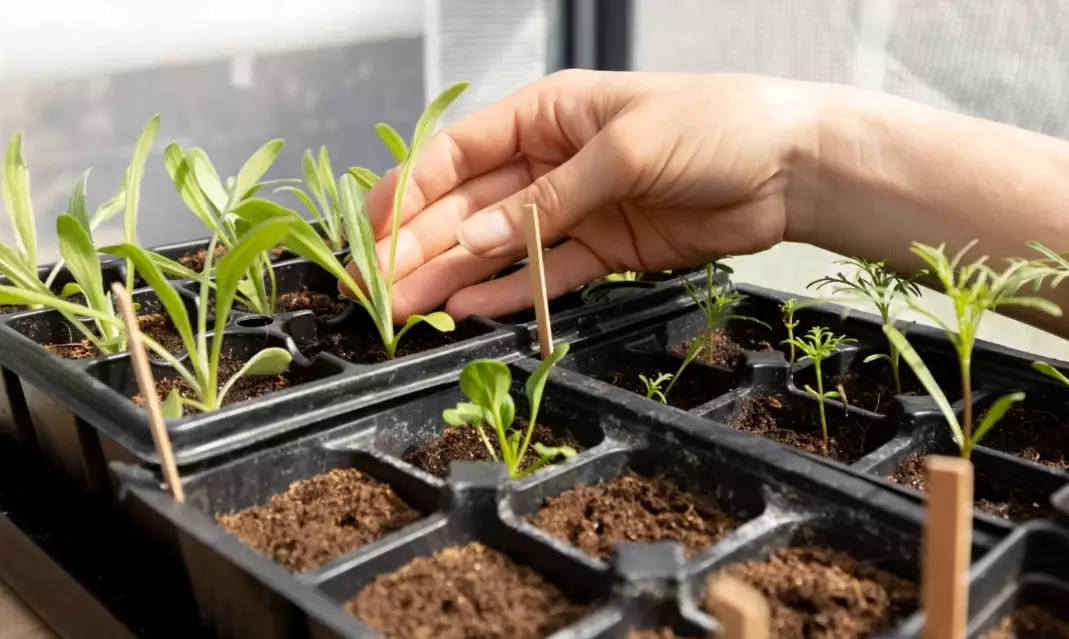
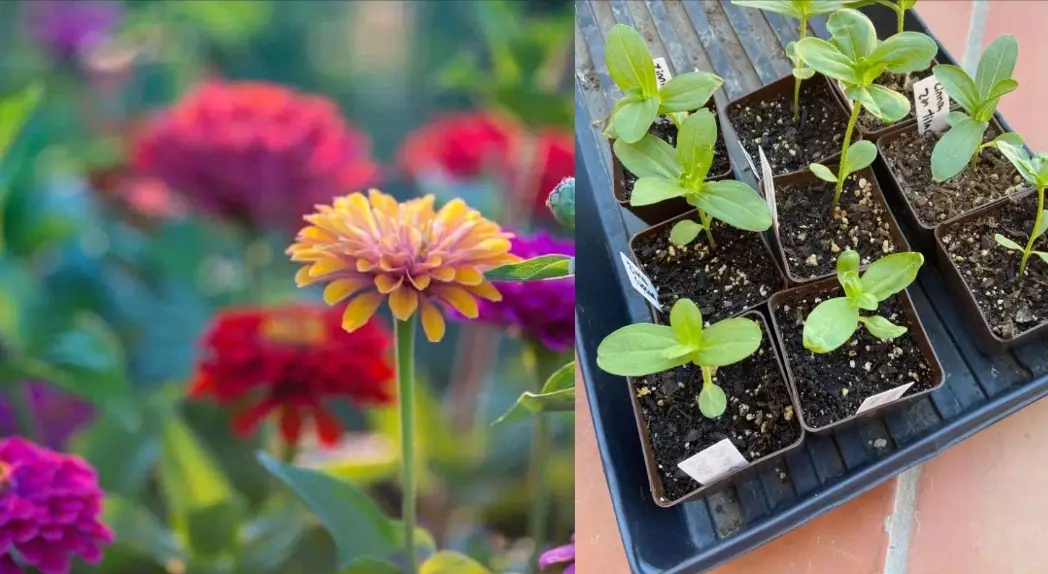
Seeds work for zinnias and gaillardia, but they bloom 3–4 weeks later than nursery starts. My seed-started zinnias (sowed March 15 indoors) bloomed July 2; my nursery-bought ones bloomed June 5. That's a 4-week gap. If you want June flowers, buy plants. If you're okay with July–September, seeds are cheaper (about $2.50 per packet vs $4.99 per plant) and give you more variety.
Do these summer bloomers come back next year, or are they annuals?
Depends on your zone. Lantana and angelonia are perennials in Zone 8+ but annuals in Zone 6. Calibrachoa is almost always treated as an annual—I've never had it survive winter even in a protected cold frame. Coreopsis and salvia are true perennials and returned for me three years running. Check the USDA hardiness zone on the tag, not the "blooms all summer" sticker. A plant can bloom all summer and still die in winter.
This article was fact-checked against RHS deadheading guidance and EPA WaterSense recommendations. Prices and bloom windows reflect my Midwest garden trial—your results will vary with soil and rainfall.

Comments
Share your experience