I’ve started zinnias from seed maybe 30 times. The first ten tries? Half rotted, the rest stretched into spindly ghosts. So when people ask how to grow zinnias from seed, I don’t give them the pretty Instagram version. I tell them what actually works, including the one move almost every new gardener messes up—and it’s not about sunlight or soil. It’s watering.
What’s in this growing guide
Picking the right seeds (skip the bargain bin)
Here’s a non-obvious thing I learned the hard way: zinnia seed freshness matters more than variety. Seeds from last year’s packet might only get 50% germination. I test a few on a damp paper towel before committing a whole tray. If less than 7 out of 10 sprout in 5 days, buy new seeds. My go-to source? RHS has a solid seed quality guide, but honestly, local garden centers with high turnover beat big-box stores.
Also, don’t bother with “pelleted” zinnia seeds unless you have hand tremors. They’re overpriced. The plain ones sprout just fine.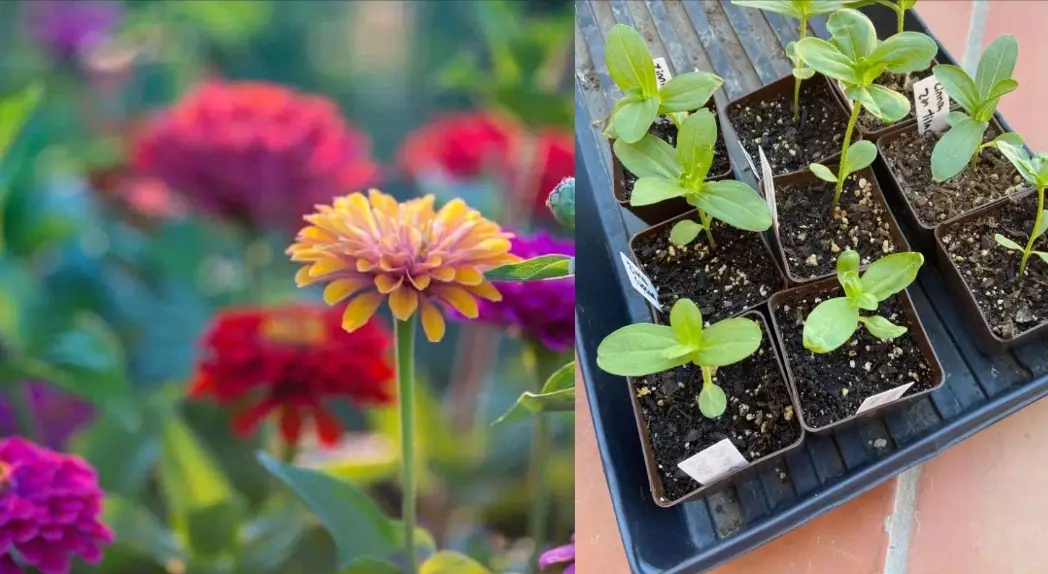
Starting zinnia seeds indoors: step-by-step
Timing: 4 to 6 weeks before your last frost. In my zone 6b garden, that’s around April 1. Zinnias sprout fast—5 to 7 days at 70–75°F (21–24°C). No heat mat needed unless your house is cold like mine (I keep it at 65°F in winter, so I do use one).
Step 1: Mix that drains, not just “potting soil”
The biggest rookie error is using heavy compost straight from the bag. I blend 60% peat-free multipurpose compost with 40% perlite. That perlite is non-negotiable for zinnias—they hate wet feet.
Step 2: Plant shallow and sparse
Zinnia seeds need light to germinate. Press them gently into the surface, then dust with a whisper of vermiculite—no more than 1/8 inch. I also space seeds 1 inch apart in a 4-inch pot. Crowding leads to damping-off, a fungal nightmare that wiped out my entire tray two years ago.
Step 3: Bottom-water, then leave them alone
Set pots in a tray of water for 10 minutes, then drain. After that, don’t water again until the surface feels dry to the touch—but not bone dry. This is the part where most people overdo it.
The watering mistake that kills more seedlings than anything
I call it “the hover-and-spritz habit.” You mist the soil twice a day because it looks dry. The surface dries fast, but the bottom stays soggy. Zinnia roots suffocate. Then the stems turn black at the base and flop over. Damping-off, every time.
The fix? Water from below every 3–4 days, and only when the tray feels light. Lift the pot. If it’s heavy, skip watering. I keep a cheap kitchen scale—pots under 200g need water. Sounds fussy, but it saved me a whole flat of ‘Benary’s Giant’ last spring.
Another expert tip: run a small fan on low in the room. Airflow cuts damping-off risk by half, according to a Penn State Extension fact sheet on seedling diseases. I run a 6-inch clip fan 24/7 until transplant.
Transplanting zinnias: when and how without shock
Wait until nights stay above 50°F (10°C). In my Ohio garden, that’s usually May 15. Harden them off over 4 days: day 1, 2 hours of morning sun; day 2, 4 hours; day 3, all morning plus a bit of afternoon shade; day 4, full sun for 6 hours. Skip this and they sunburn—white patches on leaves.
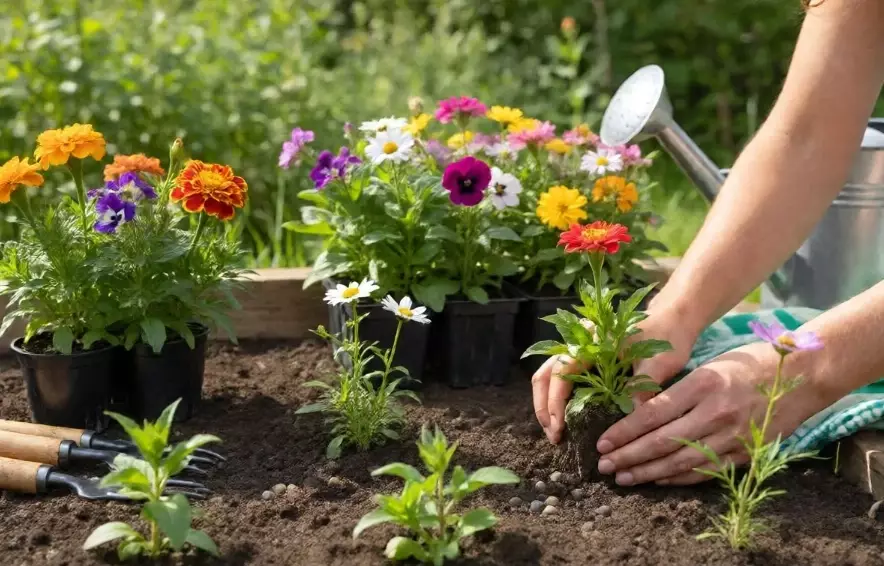
Plant them 12 inches apart (dwarf varieties 8 inches). Dig a hole twice as wide as the root ball, but the same depth. Bury the stem up to the first set of true leaves—zinnias root along the stem, which makes them sturdier. Water with a diluted seaweed solution (I use 1 tablespoon per gallon) to reduce transplant shock.
Zinnia care after planting (including deadheading)
Zinnias are drought-tolerant once established, but here’s what the seed packets don’t say: they flower best with consistent moisture early on. After 3 weeks in the ground, I water deeply once a week (1 inch). Overhead watering causes powdery mildew—the white fuzz on leaves. Use a soaker hose or water at the base.
Deadheading: pinch off spent flowers every other day. This is the single best way to keep blooms coming. Don’t wait for the flower to turn brown—cut it when petals start to fade. I keep a small bucket and snip into it while I drink my morning coffee. Takes 5 minutes, doubles the bloom count.
One controversial tip: I don’t fertilize zinnias. Rich soil makes them leafy and tall, with fewer flowers. If you must, use a low-nitrogen bloom booster (5-10-5) once at first bud. That’s it.
| Stage | What to do | Timing |
|---|---|---|
| Seed starting | Surface sow, bottom water, 70–75°F | 4–6 weeks before last frost |
| Germination | Keep moist (not wet), fan on low | 5–7 days |
| Hardening off | Gradual sun exposure | 4 days before planting out |
| Transplant | Bury stem, 12 inches apart | After nights above 50°F |
| Deadheading | Snip fading flowers every 2 days | From first bloom until frost |
Common seedling questions (expert answers)
Fact-checked against RHS growing guides and Penn State Extension disease fact sheets. All variety names and temperature thresholds reflect standard horticultural practice.

Comments
Share your experience