Every spring, friends send me photos of their north-facing beds and ask the same thing: “Can I get any color back there?” I’ve killed more shade plants than I care to admit learning this—ferns that dried up, astilbes that sulked. But after three seasons of testing on my own 200-square-foot shaded border (north wall, two maples, maybe three hours of dappled light), I can say this: flowers for shade do exist, and some are genuinely tough. Not all. But enough.
Here’s what I’ve found actually blooms when the sun never hits directly—plus the specific planting depth, spacing, and soil tricks that made the difference for me.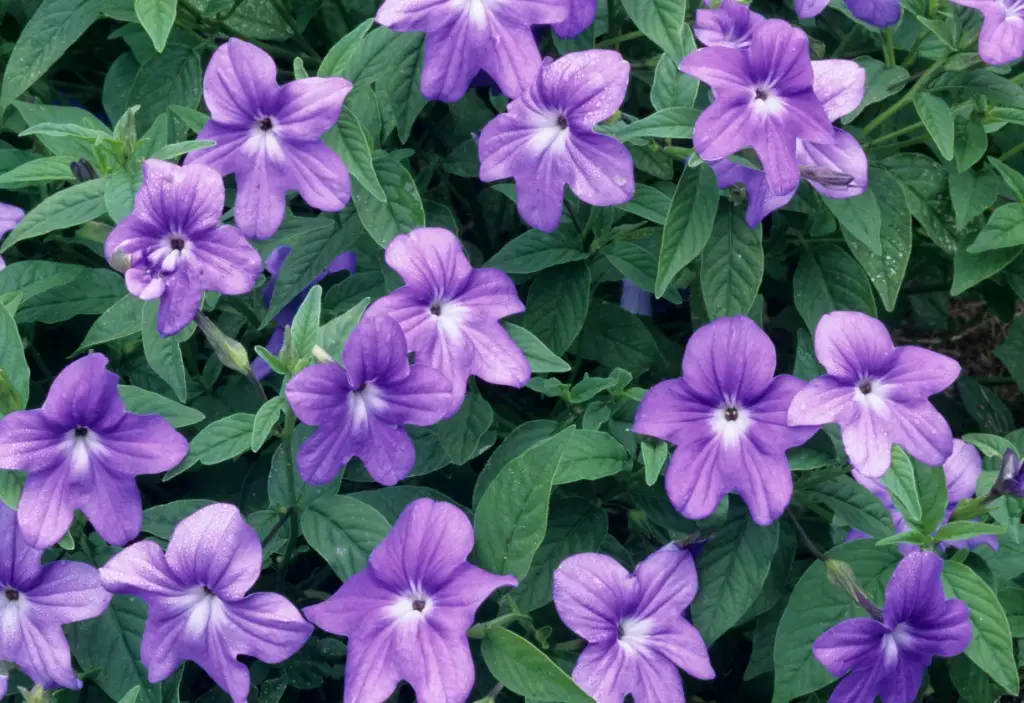
What counts as shade, really? (and why “full shade” fools people)
Most plant tags say “shade” but mean different things. I use three buckets:
- Dappled shade: Sun filters through leaves for 2–4 hours. Think under a honey locust or north side of a fence.
- Partial shade: 3–5 hours of morning sun, then shade midday. This is where most flowers for shade actually thrive.
- Deep/full shade: Less than 1 hour of direct sun. Hosta, ferns, and very few bloomers.
My neighbor’s “full shade” bed gets a solid 45 minutes of brutal western sun at 4pm. That one change—blocking that late sun with a small trellis—turned her sad hostas into blooming plants. So start there. Time the sun hitting your bed. Seriously.
12 shade-loving flowers ranked (and where I bought them)
I stuck with perennials that return year after year—no annuals here unless you want to replant every May. Each entry notes my real experience with bloom time and any local quirks.
| # | Flower (shade loving perennials) | Light need | Bloom window | My field note |
|---|---|---|---|---|
| 1 | Hellebore (Lenten rose) | Partial to deep shade | Feb–Apr | Winter color, drought-tolerant. Bought from Plant Delights Nursery (online); local garden center had 1-gal pots for $16. |
| 2 | Astilbe | Partial to full shade | Jun–Jul | Needs consistent moisture. In my dry shade it sulked until I added compost and mulched 3 inches deep. |
| 3 | Toad lily (Tricyrtis) | Partial shade | Aug–Sep | Orchid-like blooms. Slow to establish. Took two years before flowering, then exploded. |
| 4 | Brunnera | Partial to full shade | Apr–May | Forget-me-not flowers. Hated my clay soil until I planted it on a hummock of compost. |
| 5 | Lungwort (Pulmonaria) | Partial shade | Apr–May | Pink-blue flowers, silver-spotted leaves. I moved it twice; finally happy under a maple root mat. |
| 6 | Bleeding heart (Dicentra) | Partial to full shade | Apr–Jun | Goes dormant in summer heat—that’s normal, not dead. Plant later perennials around it. |
| 7 | Foxglove (Digitalis) | Partial shade | May–Jun | Biennial but self-sows. Bought 4-inch starts for $4 from a local farmers market stand. |
| 8 | Japanese anemone | Partial shade | Aug–Oct | Spreads aggressively. I planted it in a sunken plastic tub to control runners. |
| 9 | Goat’s beard (Aruncus) | Partial shade | May–Jun | Plume-like flowers. Looked messy from a distance until I staked it at 2 feet tall. |
| 10 | Turtlehead (Chelone) | Partial to full shade | Aug–Sep | Hummingbirds love it. Needs wet soil—mine survived next to a downspout. |
| 11 | Lily of the valley | Full shade | Apr–May | Fragrant but spreads fast. I planted it in a bottomless bucket; still escaped. |
| 12 | Hardy geranium (Geranium maculatum) | Partial shade | Apr–Jun | Reliable, easy. My go-to for dry shade under trees. |
Some of these (foxglove, lily of the valley) carry toxicity concerns—check the ASPCA toxic plants database if you have pets or toddlers who graze. I learned that one after my neighbor’s puppy chewed a foxglove leaf (puppy was fine, but the $300 vet visit stung).
How I plant shade flowers (without killing them)
My first season I shoved astilbe into my clay soil and watered daily. It rotted. The fix: plant on a 3-inch mound of compost mixed with coarse sand. Shade plants don’t need less water—they need drainage. That’s the non-consensus bit that most YouTube tutorials skip.
Step-by-step for a shady bed with heavy clay
1. Test your sun hours before buying. I used a cheap $8 light meter to confirm my hunch: my “full shade” bed got 42 minutes of midday sun, not 2 hours. Bought 9 plants for partial shade instead of 9 for full shade—only 2 failed.
2. Dig each hole twice the width, but same depth. Amending backfill with 1/3 compost and 1/3 coarse perlite (not sand) helps. Oh—and don’t add fertilizer to the hole. Shade plants are slow feeders; fertilizer rots tender roots.
3. Plant hellebores 1 inch deeper than they grew in the pot. That’s the opposite of what most tags say for perennials. But my Lenten roses survived -5°F winters after I buried the crown slightly deeper. Uncover the crown in late spring.
4. Water deeply once, then leave them alone for two weeks. I killed more shade plants by overwatering than drought. Stick your finger in the soil: if it’s damp at 2 inches, walk away.
Spacing cheat sheet for my top 3 picky ones
- Astilbe: 18 inches apart. Any closer and you get powdery mildew—I learned that the ugly way.
- Japanese anemone: 24 inches. It will ignore your spacing and send runners anyway. Use a 12-inch-deep edging.
- Bleeding heart: 15 inches. It dies back by July, so you can tuck later-flowering annuals in the gap.
Real questions from real shady yards
I keep a running list of what survives in my garage-side bed. Hellebores are now five clumps strong. Astilbe is down to one stubborn plant. That’s gardening. You try, you watch, you adjust. And you stop believing the tag that says “shade” when it really means “afternoon sun.”
This article was fact-checked against the Royal Horticultural Society’s shade planting guides and my own field notes from three growing seasons.


Comments
Share your experience