Every June I watch neighbors hack their hydrangeas into stubby green balls. By August they're wondering why the bush that was covered in blue last year is now just leaves. I've done it too. My first year with a mophead hydrangea, I cut it back hard in early spring because that's what a garden book told me. Result: zero flowers that summer. The plant didn't die, it just sulked. That's the thing about hydrangeas—they don't punish you immediately. They wait until you've bragged to your friends about your pruning skills, then send up nothing but foliage.
So let's fix that. This hydrangea pruning guide is built around the three main types you'll find at any garden center, and the timing that actually works. No fluff. Just what to cut, when, and the specific mistakes I see even experienced gardeners make.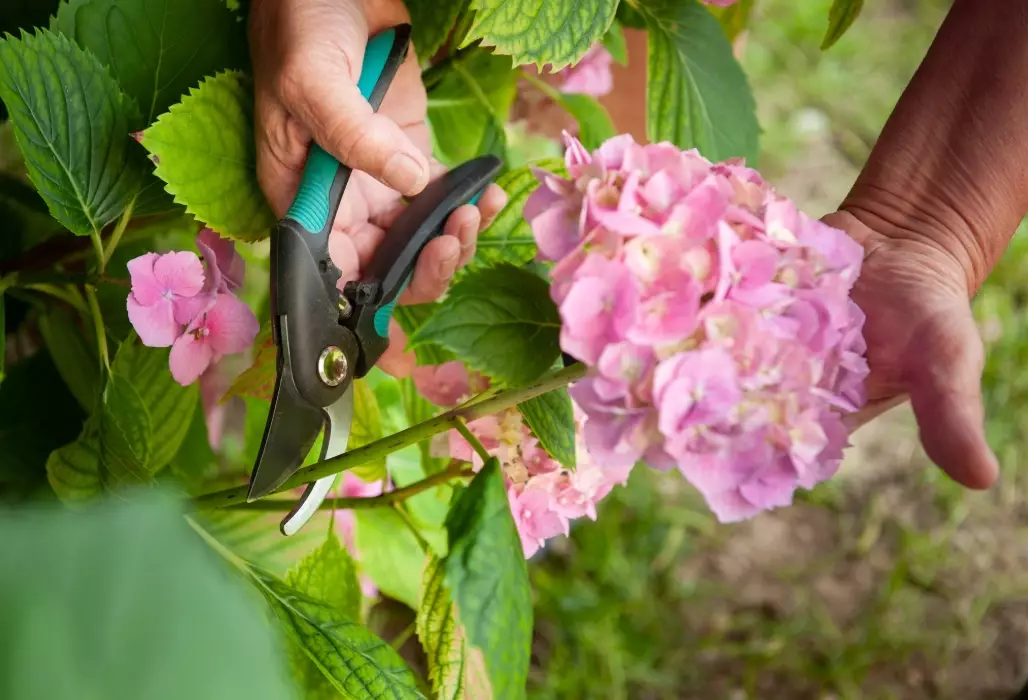
Quick Navigation: What's Inside
- Why Pruning Timing Matters More Than Technique
- How to Identify Your Hydrangea Type in 2 Minutes
- Pruning Mophead and Lacecap Hydrangeas (The Old-Wood Group)
- Pruning Panicle and Smooth Hydrangeas (The New-Wood Group)
- Pruning Oakleaf Hydrangeas: The Exception to Every Rule
- 3 Common Pruning Mistakes That Kill Next Year's Blooms
- Tools and Cuts: What Actually Matters
- FAQ: Real Questions from Real Gardens
Why Pruning Timing Matters More Than Technique
Most pruning guides start with technique—where to cut, what angle, which bud. That's backwards for hydrangeas.
Timing is the whole game. Cut a bigleaf hydrangea (Hydrangea macrophylla) in April and you remove the flower buds that formed last August. The plant will grow fine, but it won't bloom. Cut the same plant in late June, right after the flowers fade, and you're in the clear. Same cut, different month, completely different outcome.
This is why I always tell people: figure out what kind of hydrangea you have before you pick up the pruners. The Royal Horticultural Society's hydrangea pruning page puts it plainly: the biggest pruning error with hydrangeas is pruning at the wrong time of year for the species.
The non-negotiable rule: If your hydrangea blooms on old wood (growth from the previous year), prune it right after flowering. If it blooms on new wood (growth from the current season), prune it in late winter or early spring. There's no middle ground.
How to Identify Your Hydrangea Type in 2 Minutes
You don't need a botany degree. Look at the leaves and flowers.
Mophead and lacecap hydrangeas (Hydrangea macrophylla) have broad, serrated leaves and big rounded flower heads (mophead) or flat clusters of tiny fertile flowers ringed by larger sterile ones (lacecap). These are the pink and blue ones that change color based on soil pH. They bloom on old wood.
Panicle hydrangeas (Hydrangea paniculata) have cone-shaped flower clusters and pointed leaves. Think 'Limelight' and 'Pee Gee'. They bloom on new wood and are the most forgiving pruners in the family.
Smooth hydrangeas (Hydrangea arborescens) have rounded clusters of white flowers and heart-shaped leaves. 'Annabelle' is the classic. New wood bloomers.
Oakleaf hydrangeas (Hydrangea quercifolia) have deeply lobed leaves that look like oak leaves and turn burgundy in fall. Panicles of white flowers. Old wood bloomers, but they're a special case I'll cover below.
| Type | Blooms On | Prune When | Flower Shape | Leaf Shape |
|---|---|---|---|---|
| Mophead / Lacecap (H. macrophylla) | Old wood | Right after flowering (midsummer) | Rounded balls or flat lacy clusters | Broad, serrated, pointed tip |
| Panicle (H. paniculata) | New wood | Late winter to early spring | Cone-shaped clusters | Pointed, oval |
| Smooth (H. arborescens) | New wood | Late winter to early spring | Rounded white clusters | Heart-shaped, soft |
| Oakleaf (H. quercifolia) | Old wood | Minimal pruning, after flowering if needed | Elongated white panicles | Deeply lobed, oak-like |
Pruning Mophead and Lacecap Hydrangeas (The Old-Wood Group)
This is where most people go wrong. The standard advice to "cut back in spring" is a disaster for these plants.
Here's what actually works.
Step 1: Wait until the flowers fade. For most of us that's late June to mid-July. The exact week depends on your climate, but the principle is simple: don't touch the plant while it's blooming or before it blooms.
Step 2: Deadhead first. Snip off the spent flower clusters just above a pair of leaves. This alone prevents the plant from putting energy into seed production and often encourages a second, smaller flush of blooms in early fall.
Step 3: Remove dead and weak stems. Look for stems that are brown, brittle, or pencil-thin. Cut them at the base. That's it for most plants. You don't need to shape or shorten the healthy stems.
Step 4: Only rejuvenate if necessary. If the plant is overgrown, remove one or two of the oldest, thickest stems each year at the base. Over three years you'll have a younger, more floriferous plant without sacrificing a season of blooms.
My experience: I tried the "cut everything back hard" approach on a lacecap 'Blue Wave' in my second year. The plant sat out the next bloom season entirely. Since I switched to the light-touch method—deadhead plus remove weak stems—I get consistent flowers every summer. The bush is fuller and the stems are sturdier.
What if you inherited a badly overgrown mophead and need to reset it? You can cut it back hard in late winter, but you'll sacrifice that summer's flowers. The plant will recover, but plan for a bloomless year. I'd only recommend this if the shrub is truly a tangled mess.
Pruning Panicle and Smooth Hydrangeas (The New-Wood Group)
These are the easy ones. They flower on stems that grow in the current season, so you can prune them hard in late winter or early spring without losing blooms.
For panicle hydrangeas ('Limelight', 'Quick Fire', 'Little Lime'): Cut the whole plant back by about one-third to one-half in late winter when it's still dormant. I do this around late February in my zone 6 garden. Look for the fat buds on the stems—that's where the new growth will emerge. You can also prune them into a tree form, but that's a multi-year process.
For smooth hydrangeas ('Annabelle', 'Incrediball'): Cut them back to about 12 inches from the ground in late winter. They'll explode with new growth in spring and produce larger flower heads on sturdier stems. If you leave them alone, they'll still bloom, but the stems tend to flop over. The old stems look messy too.
A subtle mistake I see: People are so eager to tidy up in fall that they cut panicle hydrangeas back in October. That's too early. The plant hasn't gone fully dormant, and early pruning can stimulate new growth that gets killed by frost. Wait until the worst of winter is past.
One more thing: don't cut off the dried flower heads of panicle hydrangeas in fall if you want winter interest. The cone-shaped skeletons look great in frost and they don't hurt the plant. Wait until spring cleanup to remove them.
Pruning Oakleaf Hydrangeas: The Exception to Every Rule
Oakleaf hydrangeas don't need much pruning at all. They have a beautiful natural shape, and excessive cutting ruins it.
They bloom on old wood, so the timing rule applies: prune right after flowering if you must. But I'd argue for a different approach with oakleafs—don't prune at all unless a branch is dead, damaged, or crossing another.
If you need to control size, remove the longest stems selectively at the base after flowering. That's it. They're slow growers and they take a while to recover from hard pruning. I've seen oakleafs that were sheared into balls and they never look right. The natural cascading form is the whole point.
Though they bloom on old wood, some experts note that oakleaf hydrangeas can often be pruned in late winter without losing blooms because their flower buds are hardier than those of bigleaf hydrangeas. I wouldn't risk it. The safe window is midsummer.
3 Common Pruning Mistakes That Kill Next Year's Blooms
Mistake 1: Pruning mophead hydrangeas in spring. This is the classic. The big fat buds you see on the stems in March are this year's flowers. Cut them off and you're done. I know it's tempting to tidy up the plant at the first sign of warming weather. Resist.
Mistake 2: Cutting back to the ground every year. You'll get lush foliage and zero flowers on old-wood types. Even on new-wood types, cutting all the way to the ground weakens the plant over time. Leave a framework of stems.
Mistake 3: Pruning at the wrong time because you misidentified the plant. I've seen people treat a lacecap like a panicle because the tag said "hydrangea" and they assumed all hydrangeas want the same treatment. Check the leaves. Panicle leaves are pointed; bigleaf leaves are broad and serrated.
Tools and Cuts: What Actually Matters
You don't need fancy tools. A pair of sharp bypass pruners and a small pruning saw for thicker stems will handle almost everything.
Make cuts just above a pair of healthy buds or a leaf node. The cut should angle slightly away from the bud so water doesn't pool on it.
Clean your blades between plants with rubbing alcohol, especially if you've been working on a diseased shrub. Hydrangeas can spread fungal issues through pruning cuts.
What about loppers? For stems thicker than your thumb, loppers give you more leverage. A clean cut heals faster.
One detail I always check: Look for buds on the stem before you cut. If you're pruning right after flowering, the buds for next year's growth are already forming further down the stem. Cut above them, not below. This is why deadheading—cutting just below the flower head—works so well.
FAQ: Real Questions from Real Gardens
This article was fact-checked against published pruning guidelines from the Royal Horticultural Society and the American Horticultural Society.





Comments
Share your experience