My Quick Field Notes
I planted my first flower bed with marigolds and tomatoes because someone told me it was a magic combo. The tomatoes got hornworms anyway. But the marigolds did something else — they pulled in hoverflies, and those hoverflies went after the aphids on my roses. That was my first real lesson in companion planting for flowers. It's not a spell. It's more like setting up a neighborhood where everyone has a job.
What Is Companion Planting for Flowers, Really?
Companion planting for flowers means choosing flower neighbors that help each other — or at least don't hurt each other. The help can look like pest confusion, pollinator attraction, shade, or root chemistry. I've seen zinnias shield lettuce from afternoon sun. I've watched borage draw so many bees that my squash set fruit earlier than my neighbor's.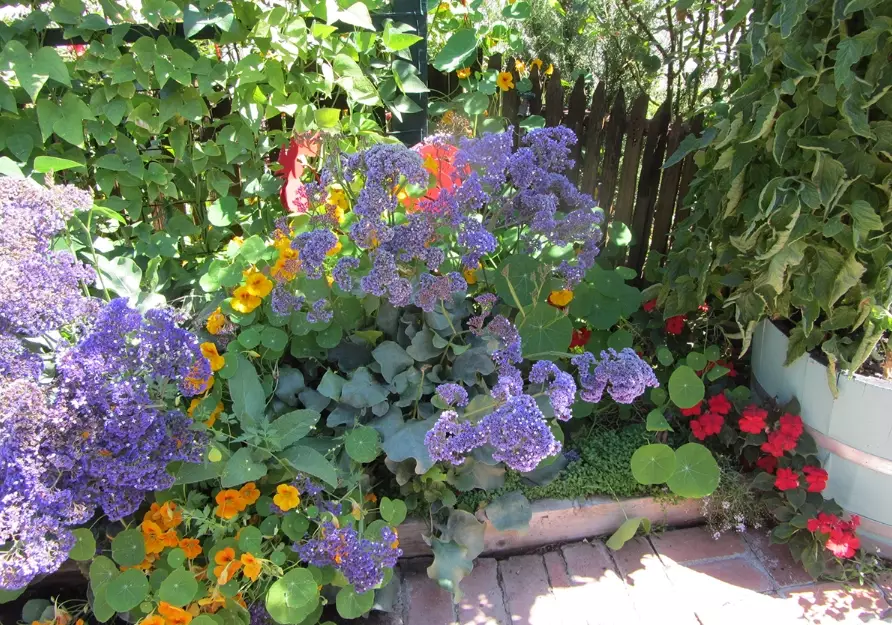
Here's the non-consensus part. Most charts treat companion planting like a fixed set of rules. In my experience, it's local. A pairing that works in dry sandy soil can flop in heavy clay. I've had dill love one corner of my garden and sulk in another ten feet away. So treat any chart as a starting point, not gospel.
Best Flower Pairings I Keep Coming Back To
After years of moving plants around, these are the flower combinations I trust in a real garden, not just on paper.
Marigolds + anything in the brassica family. Cabbage white butterflies seem to get confused by the scent. I still get some damage, but less. French marigolds stay compact — the tall African types flop and shade out small seedlings, which I learned the hard way.
Borage + strawberries. Borage blooms early and keeps going. Bees work it hard. My strawberry yield went up noticeably the year I let borage self-seed between the rows. It also got a bit weedy. Pull the seedlings when they're small.
Nasturtiums + squash. This one is partly a trap crop. Aphids hit the nasturtiums first, which gives me time to act on the squash. The flowers are edible too, if you like a peppery kick in salads.
Sweet alyssum + lettuce. Tiny flowers, big pollinator draw. I plant it along the bed edge. It also shades the soil surface just enough to keep lettuce from bolting in early summer heat.
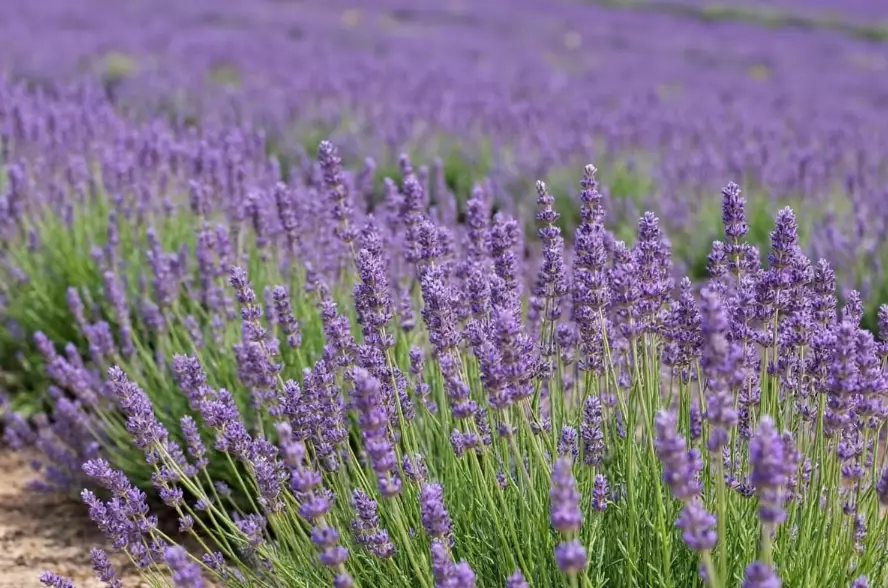
Lavender + roses. This is the pairing I get the most questions about. Lavender pulls in bees and looks good next to roses, but it hates wet feet. If your soil holds water, plant lavender on a mound and keep it away from the rose's irrigation zone. I killed three lavender plants before I figured that out.
Flower Companion Planting Chart
This is the short version I keep taped inside my shed. It's not exhaustive, but it covers the pairings I actually use.
| Flower | Good Neighbors | Why It Works | Watch Out For |
|---|---|---|---|
| Marigold | Tomatoes, brassicas, peppers | Deters nematodes, confuses pests | Tall varieties shade small plants |
| Borage | Strawberries, squash, tomatoes | Strong bee magnet, blooms early | Self-seeds aggressively |
| Nasturtium | Squash, cucumbers, radishes | Trap crop for aphids | Can sprawl over small plants |
| Sweet alyssum | Lettuce, broccoli, potatoes | Attracts hoverflies, shades soil | Dies back in hard heat |
| Lavender | Roses, fruit trees | Pollinator draw, drought tolerant | Rot in wet soil |
| Zinnia | Tomatoes, peppers, beans | Attracts butterflies, shades soil | Powdery mildew in humid spots |
What Not to Plant With Flowers
This is where most charts get vague. I'll be specific. Don't plant tall sunflowers right next to low-growing flowers that need full sun. The shade is real. My creeping thyme got leggy and weak under a row of sunflowers one summer.
Also, keep aggressive spreaders away from delicate flowers. Mint is the classic warning, but I've seen obedient plant and even some artemisia types crowd out smaller perennials. If a plant runs by rhizomes, give it a barrier or give it its own space.
And here's one I rarely see mentioned: don't mix heavy feeders with light feeders in the same tight bed. Dahlias and cosmos look great together, but dahlias want richer soil. If you feed for dahlias, cosmos gets floppy. I now plant them in separate zones.
Three Mistakes I Made So You Don't Have To
I planted a companion chart, not a garden. My first year, I followed a chart that said dill and tomatoes were friends. They are, sort of, but dill matured and flowered before the tomatoes needed it, then self-seeded everywhere. Timing matters more than the pairing itself.
I ignored water needs. Lavender next to roses sounded great. Lavender wants dry. Roses want consistent moisture. One of them suffers. Now I group plants by water need first, companion qualities second.
I overcrowded. More flowers should mean more pollinators, right? Not if they're jammed together and mildew moves through the bed. Airflow is a companion too. Give plants room to breathe.
How to Build a Pollinator-Friendly Flower Bed
Start with bloom timing. You want flowers from early spring to late fall. I use sweet alyssum for early, borage and calendula for mid, and zinnias and asters for late. That overlap keeps pollinators fed all season.
Then think about flower shape. Bees like open, shallow flowers. Butterflies and moths often go for deeper tubes. A mix of both brings in more species.
Group flowers in patches, not single plants. A single lavender is nice. A clump of five is a landing pad. I learned this from watching bees skip my lone plants and hit the neighbor's clump of the same flower.
Skip the pesticides. I know that sounds obvious, but even organic sprays can knock back beneficial insects. Let the companion flowers do their job.
Real Questions From Real Gardeners
Does companion planting for flowers actually reduce pests, or is it just a nice idea?
It reduces some pests, not all. I've had real success with nasturtiums as a trap crop for aphids and marigolds against nematodes. But I've also watched cabbage worms chew through a bed surrounded by supposedly repellent flowers. The honest answer is that companion planting shifts the odds. It doesn't replace monitoring. Scouting your plants every few days still matters more than any chart.
What should I avoid planting near my roses besides lavender?
Keep aggressive creepers like mint and anything that spreads by runners well away. Roses hate root competition. I also avoid planting tall, floppy flowers right against them because airflow drops and black spot loves still air. The one surprise for me was ornamental alliums. They look fine together, but alliums can reseed and move into the rose bed, and then you have a weeding job you didn't ask for.
How close do companion flowers need to be to make a difference?
Closer than most people think for pest confusion — within a couple of feet, or right in the same bed. For pollinators, it's more about mass and bloom timing than exact spacing. A big patch ten feet away beats a single plant right next to the crop. I've tested this with borage. The clump got visited constantly. The lone plant got a few passes and that was it.
Can companion planting for flowers help with pollination of vegetables?
This is probably the strongest, most reliable benefit. Flowers like borage, sweet alyssum, and calendula pull in bees and hoverflies that then visit your squash, tomatoes, and peppers. I noticed my zucchini set fruit earlier in beds bordered with alyssum. It's not magic — it's just more pollinators around when the flowers open.
This article was fact-checked against extension service guidelines from university horticulture programs and my own garden records.

Comments
Share your experience