I still remember my first flower bed. I planted a flat of impatiens in full afternoon sun, watered them like crazy, and watched them turn to mush in two weeks. That was ten years ago. Since then, I've started flower gardens in three different climate zones, killed my share of plants, and learned that how to start a flower garden is less about digging and more about observing. The biggest mistake beginners make? Picking plants based on how they look in the nursery, not how they'll perform in the spot you've chosen. Let's fix that.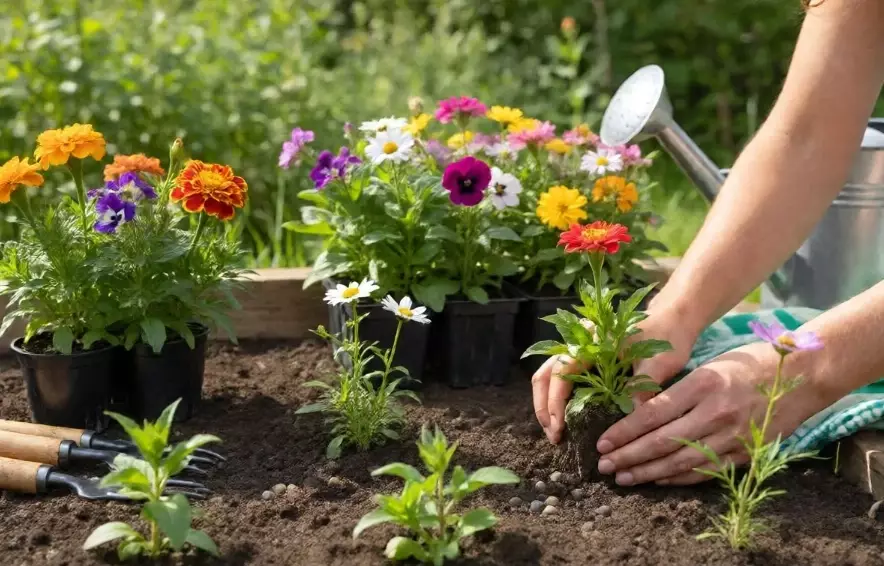
What's in this guide (skip ahead)
- 1. Pick the right spot (the one thing you can't fix later)
- 2. Fix your soil before you spend a dime on plants
- 3. Choose flowers that actually want to live in your yard
- 4. Layout and planting: the rule of three (and when to break it)
- 5. Watering and mulching: the mundane stuff that makes or breaks your garden
- Quick answers to real beginner questions
1. Pick the right spot (the one thing you can't fix later)
Before you buy a single plant, spend a day watching your yard. I mean it. Grab a coffee and note where the sun hits at 9 a.m., noon, and 4 p.m. Most flowering plants want at least six hours of direct sun. Shade lovers like impatiens or hostas will fry in full afternoon sun — that's the mistake I made with my impatiens. The afternoon sun in July is brutal (especially in zones 7 and warmer).
Check the soil drainage too. Dig a hole about a foot deep, fill it with water, and see how long it takes to drain. If water's still sitting there after four hours, you've got a drainage problem. You can fix it by building a raised bed — that's what I did in my current garden, which sits on heavy clay. A 4x8 raised bed with a mix of topsoil and compost cost me about $120 in materials. Worth every penny.
2. Fix your soil before you spend a dime on plants
Garden centers love selling you fancy fertilizers. Skip them for now. The single best investment is a $15 soil test from your local extension office (search "[your county] soil test kit"). I did this last spring and found my pH was 5.2 — way too acidic for most flowers. A bag of lime (about $5) fixed it. That's cheaper than replacing dead plants.
Here's the actual soil prep workflow I use:
- Clear the area: Remove grass and weeds. Smother them with cardboard and a thick layer of compost if you don't want to dig.
- Loosen the top 8–10 inches: A pitchfork works fine for small beds. Don't flip the soil upside down — just aerate it.
- Mix in 2–3 inches of compost: The cheap stuff in bags is fine. I've had good luck with mushroom compost, but any well-rotted organic matter works.
- Level and water: Let it settle for a day before planting.
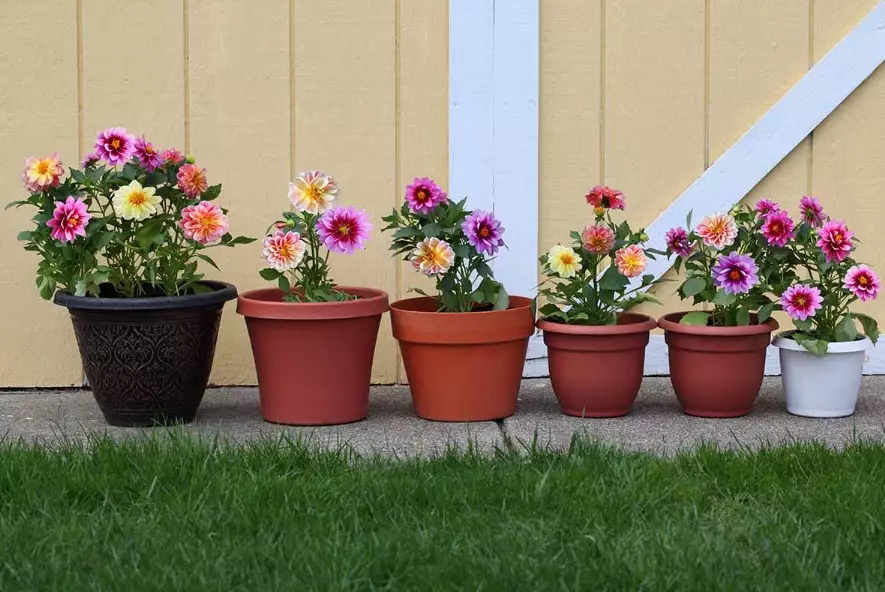
If you're planting in containers, use a proper potting mix, not garden soil. Garden soil compacts in pots and suffocates roots. I learned that the hard way with a $40 dahlia that lasted three weeks.
3. Choose flowers that actually want to live in your yard
Walk through a local botanical garden or a neighbor's yard — not a big-box store — to see what thrives in your area. Here's a starter table based on my experience across zones 5–8:
| Flower | Sun Needs | When to Plant | Beginner-Friendly? |
|---|---|---|---|
| Zinnia | Full sun | After last frost | Yes — direct sow, grows fast |
| Marigold | Full sun | After last frost | Yes — pest-resistant |
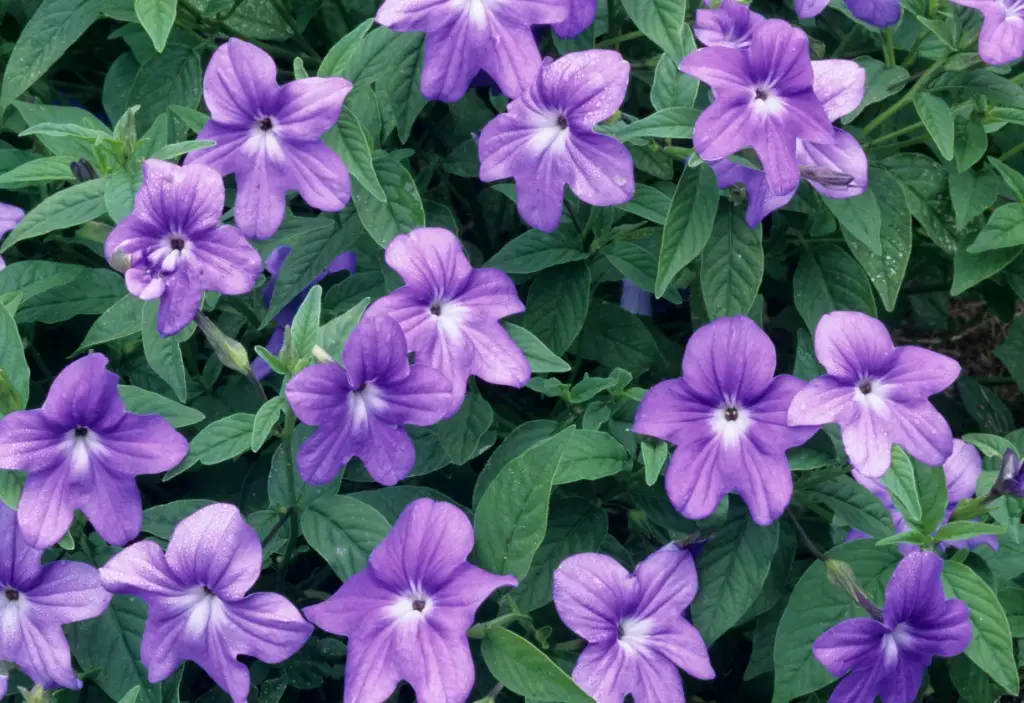
| Impatiens | Part shade | After last frost | Yes, but keep out of afternoon sun |
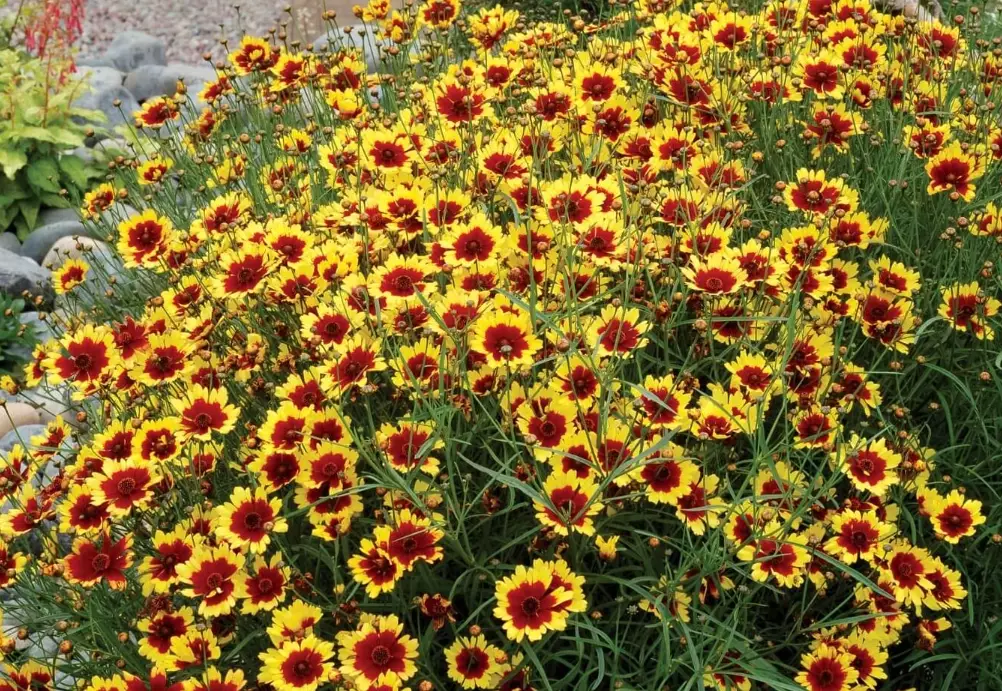
| Coneflower (Echinacea) | Full sun | Spring or fall | Yes — drought-tolerant once established |
| Lavender | Full sun | Spring | No — needs sharp drainage |
Start with three or four types, not twenty. I know the temptation to buy everything in sight. Resist. Fewer plants mean you can actually care for them. My rule: one new plant type per season until you've got the hang of it.
4. Layout and planting: the rule of three (and when to break it)
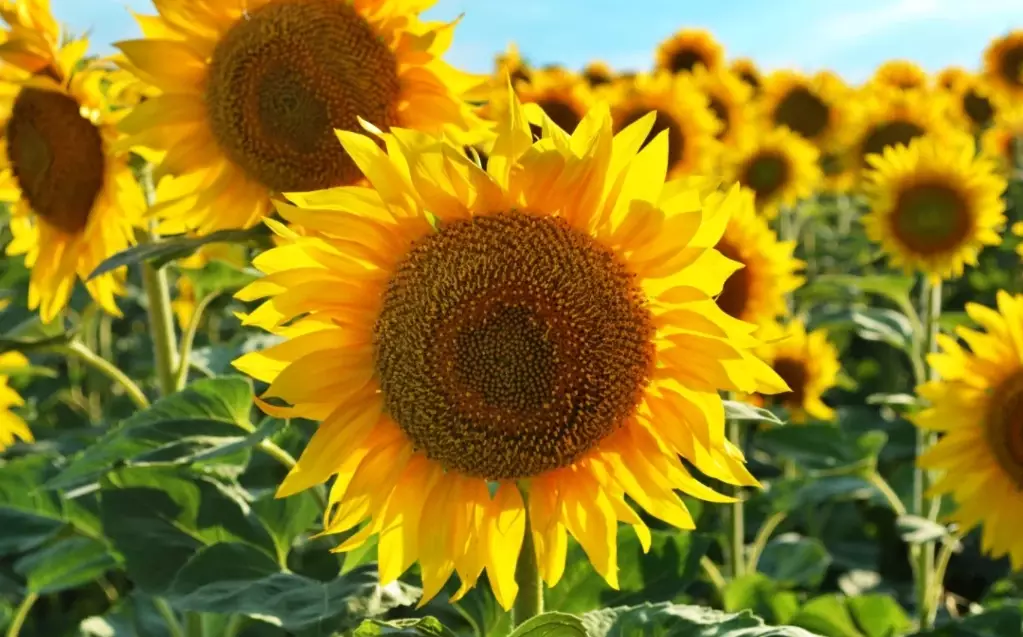
Designers talk about planting in odd numbers — three, five, seven. It looks natural. But here's the thing: that rule matters more for shrubs than for annuals. For a beginner flower garden, I'd say plant in drifts of the same color. A block of five orange zinnias reads better from the kitchen window than a polka-dot mix of singles.
Dig your planting hole twice as wide as the root ball but the same depth. Don't amend the backfill with fertilizer — it makes roots lazy. Water the plant in its pot before you remove it. Then water again after planting. That's it.
Spacing? Follow the tag. I once planted petunias 6 inches apart because they looked small. By August they were a tangled mess. Give them the room they ask for.
5. Watering and mulching: the mundane stuff that makes or breaks your garden
Newly planted flowers need consistent moisture for the first two weeks. After that, water deeply once a week (about an inch, including rain). Stick your finger in the soil — if it's dry two inches down, water. If it's damp, wait. Overwatering kills more beginners' gardens than underwatering.
Mulch 2–3 inches of shredded leaves or straw. Keep it an inch away from stems to prevent rot. I use grass clippings that have dried for a few days — free and effective. Just don't use clippings from a lawn treated with weed killer.
Fertilizer? Skip it the first year if you mixed in compost. Too much nitrogen gives you lots of leaves and few flowers. I learned that from a master gardener at the county extension office — she called it "the lazy gardener's trap."
Quick answers to real beginner questions

Comments
Share your experience