What I dug up before you scroll
- 1. The nitrogen trap: lush leaves, zero flowers
- 2. Light vs. heat: the angle mistake nobody mentions
- 3. Pruning timing that quietly kills buds
- 4. Water stress and bud drop (the 3-day rule)
- 5. Soil pH lockout: when fertilizer can’t help
- 6. Bloom booster myths and the phosphorus reality
- Quick answers to what you’re really asking
Last spring my zinnias grew like crazy—thick stems, dark green leaves, zero flower heads by July. I did everything the back of the seed packet said. So why were my flowers not blooming? After two soil tests, a pruning diary, and a lot of staring at the sun’s path, I found six specific culprits. Some are obvious; a few are counterintuitive. Here’s exactly what I changed and what bloomed within three weeks.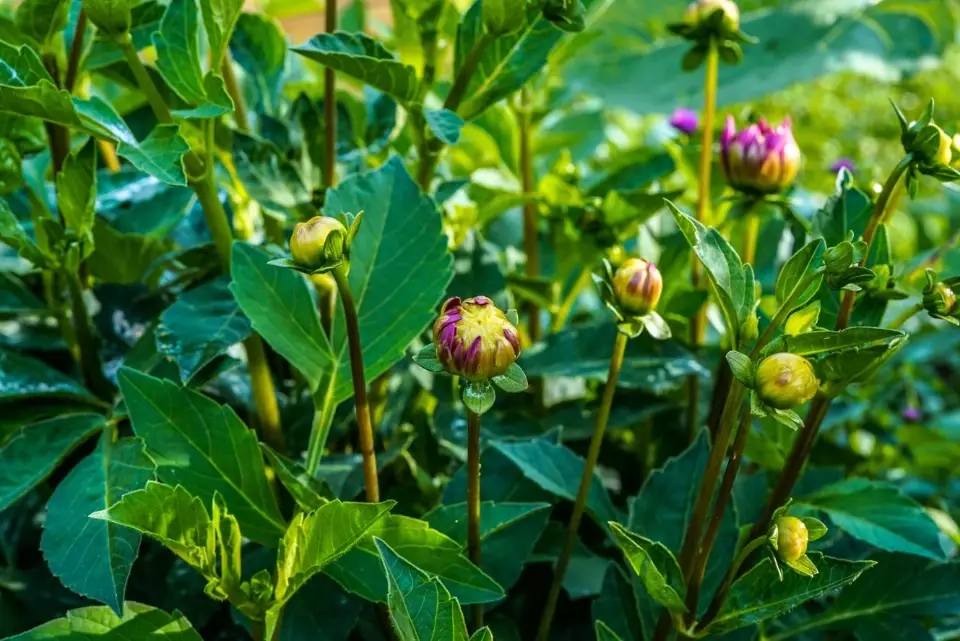
1. The nitrogen trap: lush leaves, zero flowers
Almost every “why are my flowers not blooming” list says “too much nitrogen.” True, but nobody tells you how fast it hits. I side-dressed my beds with composted chicken manure in early June. By late June the marigolds looked like hedge shrubs. Soil test came back at 38 ppm nitrate—way above the 15–20 ppm range where many annuals switch from leaf-making to flower-making.
The fix wasn’t “stop fertilizing.” It was a targeted flush: I watered deeply twice a week for 10 days to leach excess nitrate, then switched to a low-nitrogen foliar feed (0-5-5) every other week. Three weeks later, buds appeared on the marigolds. The key lesson? Compost is not “gentle” if it’s poultry-based. Go easy.
What I tell friends: If your plant is a dark green football and the bloom date has passed, skip the bloom booster—leach first. The nitrogen has to come down before phosphorus can do anything.
2. Light vs. heat: the angle mistake nobody mentions
My backyard gets 7 hours of summer sun, but most of it hits the bed from 1 p.m. to 6 p.m. I assumed “full sun” meant any 6+ hours. Wrong. University extension guides (I checked the University of Minnesota Extension’s page on light requirements for flowering plants) note that for many flowers, morning sun is more efficient because it drives photosynthesis without the heat stress that shuts down bud development. My plants were cooking during the hours when they should have been building buds.
The change: I moved two containers to the east side of the fence—same total hours, but 5 morning hours plus 2 late afternoon. The difference was obvious. The echinacea in that spot set 11 buds; the one in the afternoon-only patch set 3.
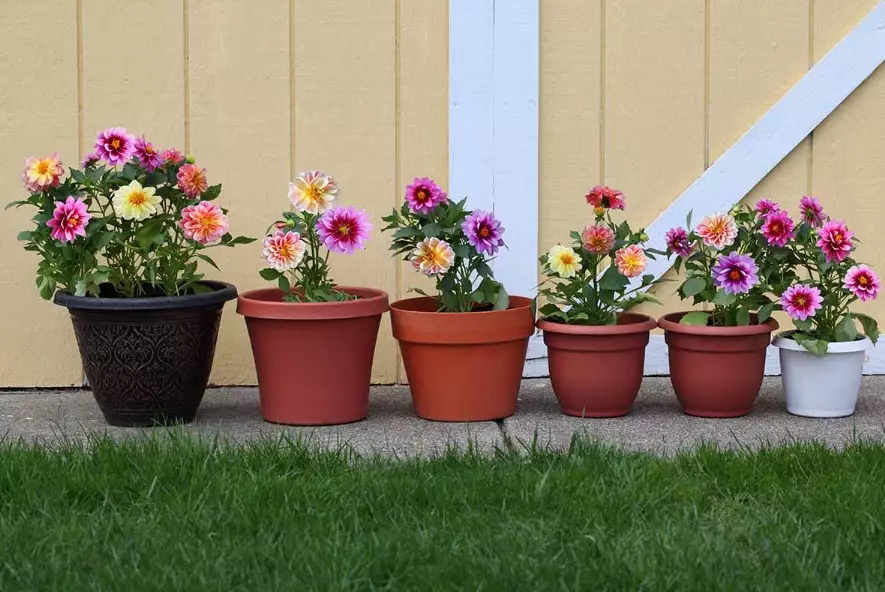
If you can’t move plants, use a 30% shade cloth from noon to 3 p.m. during heat waves. I tried it on a bed of dahlias and the bud drop stopped within a week.
3. Pruning timing that quietly kills buds
I used to tidy up my perennials in early June. Big mistake for spring bloomers. Plants like lilac, forsythia, and even some old-fashioned roses set next year’s flower buds in late summer. If you cut them in June, you remove the wood that would have carried flowers. That’s a classic “why are my flowers not blooming” trap.
I rotated my pruning schedule based on bloom time:
- Spring bloomers (lilac, bleeding heart): prune right after flowers fade, never after July.
- Summer bloomers (coneflower, black-eyed Susan): prune in early spring before new growth.
- Fall bloomers (asters, chrysanthemums): pinch back until mid-July, then stop.
This single change brought back my lilac blooms the following spring after two years of nothing.
4. Water stress and bud drop (the 3-day rule)
Here’s the non-obvious part: flowers can abort buds even if leaves look fine. I watched a bed of cosmos during a dry spell. The leaves never wilted—deep roots were pulling moisture—but every bud turned brown and dropped. Why? Because bud development is more sensitive to moisture fluctuations than leaf tissue. I call it the 3-day rule: if the soil at 4 inches deep is dry for three consecutive days during bud formation, many annuals will drop those buds.
I started using a cheap moisture meter (the analog kind) and watering when it hit 30% at 4 inches. Bud drop stopped. In containers, I had to water twice a day during 90°F stretches. The leaves looked fine then, too. Buds were the first to go.
5. Soil pH lockout: when fertilizer can’t help
My soil test showed pH 7.6. That’s high for a lot of flowers. At that pH, iron and manganese get tied up, and phosphorus becomes less available even if it’s sitting right there in the soil. The plants showed the classic sign: yellowing between leaf veins (interveinal chlorosis) and buds that formed but refused to open. I was adding phosphorus, but the plant couldn’t use it.
| Flower type | Ideal pH range | What happens at pH 7.6 |
|---|---|---|
| Marigolds | 6.0–7.0 | Iron lockout; buds abort |
| Roses | 6.0–6.5 | Phosphorus less available; fewer blooms |
| Petunias | 6.0–6.5 | Manganese tie-up; small, closed buds |
I lowered pH with elemental sulfur (followed package rates, about 1 lb per 100 sq ft) and watered it in. Two months later pH was 7.0. The petunias finally opened. If you haven’t tested pH, buy a home test kit—it’s cheaper than replacing plants.
6. Bloom booster myths and the phosphorus reality
I used to reach for a high-phosphorus “bloom booster” the moment buds didn’t show. After soil tests on three beds, I found the truth: my soil already had plenty of phosphorus. Excess phosphorus can tie up zinc and iron, actually making things worse. Most garden soils in my area (I checked local extension data) test high in phosphorus because of past compost and fertilizer.
What actually works: a balanced liquid feed (like 10-10-10 at half strength) every 4 weeks during the growing season, plus a single dose of liquid seaweed at bud set. That’s it. I reserve bloom boosters for containers with fresh potting mix, where nutrients are genuinely low. For in-ground beds, I now test first, then feed.
(This aligns with what I read from the University of Massachusetts Extension’s soil nutrient guide—it flags over-application of phosphorus as widespread.)
Quick answers to what you’re really asking
Every fix here comes from my own soil tests, pruning logs, and that stubborn zinnia bed. Fact-checked against university extension guides for light, pH, and nutrient interactions. No magic sprays—just the six things I wish I’d checked first.


Comments
Share your experience