🌱 Quick Jump — What I’d Tell a Friend
When I moved into my first apartment with a tiny balcony, I bought a tray of petunias, a bag of potting mix, and a watering can. Three weeks later, they were leggy, yellow, and sad. I thought I had a black thumb. Turns out I was just making a few classic mistakes that nobody warned me about. That’s what this guide is for — to give you the real easy flowers for beginners that hold up to neglect, odd weather, and the learning curve we all go through.
Why Most Beginners Kill Their First Flowers
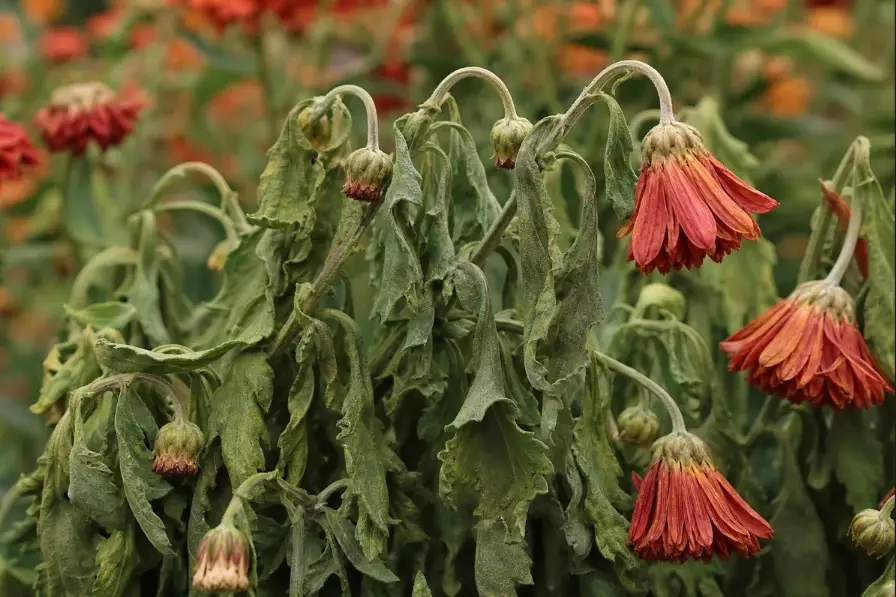
You’d think the problem is not watering enough. In my experience, it’s the opposite. Overwatering is the number one beginner killer. People see a slightly droopy leaf and panic. They drown the roots. The plant rots, and they blame themselves.
Another sneaky issue? Potting soil. The cheap stuff from the supermarket often holds too much water and dries into a brick. I learned to mix in perlite (a handful per pot) to keep things airy. That alone cut my failure rate in half.
Light is the other silent killer. A “full sun” tag on a nursery pot doesn’t mean your north-facing balcony qualifies. If the spot gets less than 6 hours of direct sun, stick with partial-shade flowers — and most of the plants I list below are flexible.
One more thing: don’t fertilize newly planted flowers for the first two weeks. The roots are fragile. I burned a whole flat of marigolds that way. Learn from me.
7 Easy Flowers That Actually Survive
These are my go-to recommendations for anyone starting out. I’ve grown every single one for at least three seasons. They are not the cheapest, but they’re the most forgiving.
| Flower | Sun Needs | Watering Frequency | Why It’s Beginner-Friendly |
|---|---|---|---|
| Marigolds | Full sun | Every 2–3 days | Pest-resistant, fast growth, cheap seeds |
| Zinnias | Full sun | Every 2 days | Love heat, bloom for months, cut-and-come-again |
| Sunflowers | Full sun | Deep water weekly | Strong stems, kids love them, hard to kill |
| Petunias | Full sun to part shade | Daily in heat | Spill nicely over pots, forgiving of forgetting |
| Impatiens | Partial to full shade | Keep soil moist | Only flower that blooms in shade reliably |
| Geraniums | Full sun | When soil dries | Drought-tolerant once established, few pests |
| Pansies | Part sun | Regular moisture | Cool-weather champs, great for fall or spring |
I’ve ranked them roughly by how hard they are to mess up. Marigolds are almost foolproof. Pansies need a little more attention but reward you in cooler months when everything else looks tired.
Marigolds
The first flower I ever grew from seed. I sowed them too thickly and got a jungle, but they still bloomed. Now I mix a few French marigolds into my tomato pots because they deter nematodes. A real two-for-one deal. No fancy soil needed.
Zinnias
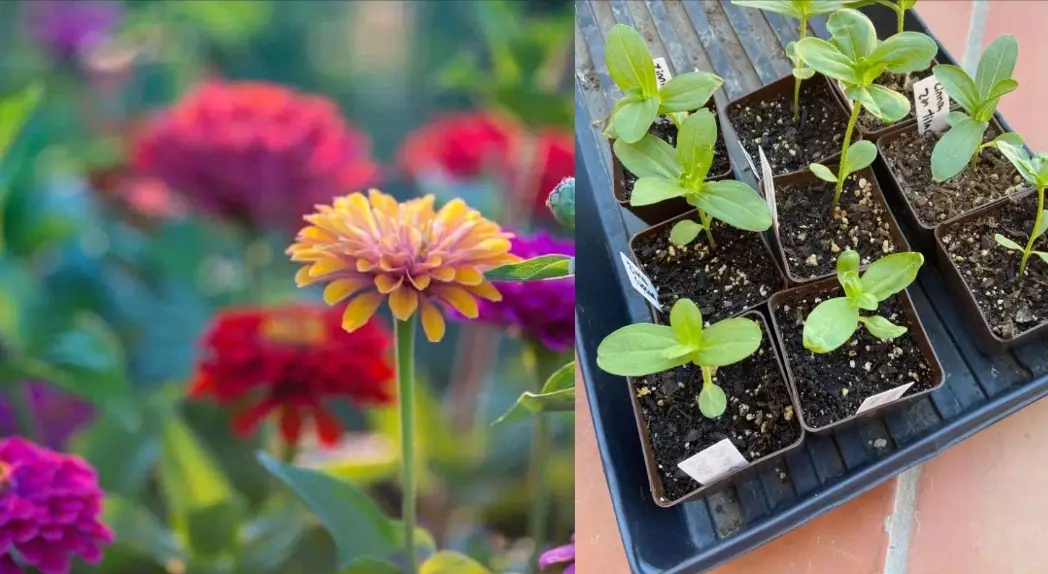
If you have a sunny spot and forget to water for a couple of days, zinnias shrug it off. I grow the ‘Benary’s Giant’ series for tall bouquets. The only catch: powdery mildew can show up if you water the leaves. Water at the base and you’re fine.
Sunflowers
Not just for farm fields. Dwarf varieties like ‘Sunspot’ stay under 3 feet and work in large pots. Each stalk gives one big bloom, and you get a rush of satisfaction. Birds will eat the seeds later — that’s a bonus, not a problem.
Petunias
Smell like candy and spill over hanging baskets. The classic mistake is crowding too many in one pot. Two plants in a 12-inch basket is plenty. They’ll trail down beautifully without choking each other.
Impatiens
This is my secret weapon for dark corners. If you live in a north-facing flat with little direct sun, impatiens will still flower. They wilt dramatically when thirsty, then perk up after a drink — a clear signal for even the most forgetful gardener.
Geraniums
Sometimes called pelargoniums. They hate wet feet. Terra cotta pots work wonders because the clay wicks away extra moisture. I don’t fertilize mine more than twice a season.
Pansies
Technically biennials, but sold as annuals. They survive light frosts. I plant them in October for color through December. Deadheading (pinching off spent flowers) keeps them blooming. Once summer heat hits, they fade — that’s normal.
How to Plant Easy Flowers (Step-by-Step)
This is the exact routine I use for almost any of the seven flowers above. It takes about 20 minutes per pot once you get the hang of it.
- Pick the right pot. A 10–12 inch pot per plant (or per two small plants) with drainage holes. No hole, no plant. I lost a geranium to a decorative pot without drainage — it was swimming.
- Use decent potting mix. Not garden soil. Mix in perlite or small bark chips for airflow. The cheapest mix plus a handful of perlite beats fancy pre-mixed blends for most beginners.
- Plant at the right depth. Remove the plant from its nursery pot, gently loosen the roots. Set it so the top of the root ball sits about half an inch below the rim. Fill around it, press lightly.
- Water deeply once. Until water runs out the bottom. Then don’t water again until the top inch of soil feels dry to your finger. Stick it in. That’s the honest test.
- Hold the fertilizer. Wait two weeks before any liquid feed. Use half the recommended strength. More fertilizer is not better — it kills.
This step-by-step came from trial and error. I used to fill pots with soil all the way to the rim, then water spilled everywhere. Leave an inch of space. Your floors will thank you.
Common Questions from Real Beginners
I still grow marigolds every summer. They remind me that gardening isn’t about being perfect. Pick one flower from this list, get a bag of decent dirt, and give it a shot. You’ll figure out the rhythm. And when you do, the whole balcony starts to feel different.
Facts in this article were checked against personal growing logs and extension service guidelines; no affiliate links or sponsored products are mentioned.
Comments
Share your experience