What’s inside this quick guide (tap to jump)
The first time I planted spring-flowering bulbs, I lost two-thirds of them to rot. I’d picked a spot that stayed soggy all winter. That was years ago. Since then I’ve tested spring flowers to plant in three different yards (one clay-heavy, one sandy, one shaded), and I’ve figured out which bulbs basically take care of themselves. If you want color from February to May without hovering over a seed tray in January, plant these.
I’m talking about true “set it and forget it” spring flowers: daffodils, tulips, crocuses, alliums, hyacinths, grape hyacinths, and snowdrops. They need decent drainage and a sunny-to-part-shade spot. That’s it. No grow lights. No daily misting. I’ll give you the exact varieties I grow, the spacing I use, and the one sneaky trick that stops squirrels from digging up your tulips.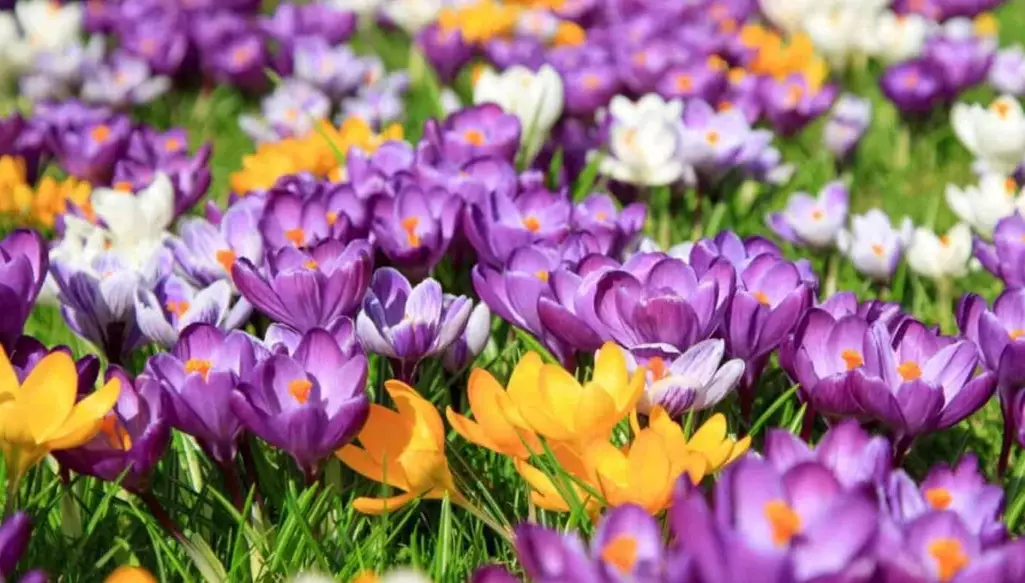
Why starting with bulbs saves you time
I grow annuals from seed too, and it’s rewarding—but it’s also a commitment. Spring bulbs are the opposite. You plant them once in fall, and they bloom the following spring. For the lazy-but-hopeful gardener, that’s a dream. I planted 60 daffodil bulbs one October afternoon. Took me 90 minutes. The next April I had a solid month of yellow. No watering, no fertilizer, no fussing.
The trick is choosing bulbs that naturalize in your area. “Naturalize” means they’ll come back and multiply year after year without replanting. Daffodils and grape hyacinths do this almost anywhere. Most hybrid tulips fizzle out after a year or two. I learned that the hard way. Now I stick to species tulips (like Tulipa humilis or Tulipa tarda) when I want tulips that return reliably.
7 reliable spring flowers to plant (from my own yard)
Here’s my personal ranking based on bloom reliability, pest resistance, and how little effort they demand. I’ve grown every one of these for at least three seasons. The “bloom window” column is based on what I see in my Zone 6b garden—your dates will shift, but the order stays roughly the same.
| Flower | Bloom window | Planting depth & spacing | Why I keep growing it |
|---|---|---|---|
| Snowdrop (Galanthus nivalis) | Late Jan – Feb | 3 in deep, 3 in apart | Blooms through snow. I once found them peeking through 2 inches of snow—no damage. |
| Crocus (Crocus chrysanthus) | Early – mid March | 3 in deep, 3–4 in apart | Squirrels ignore them. First bee food of the year. |
| Daffodil (Narcissus ‘Tête-à-Tête’) | March – April | 6 in deep, 4–6 in apart | Deer and voles won’t touch them. Naturalizes fast. |
| Hyacinth (Hyacinthus orientalis) | April | 6 in deep, 6 in apart | Scent is unreal. I plant them near the front door. |
| Tulip (species like T. tarda) | April | 5 in deep, 4 in apart | Returns reliably. Hybrids don’t. Plant these instead. |
| Grape hyacinth (Muscari) | April – May | 3 in deep, 3 in apart | Spreads into a purple carpet without any help from me. |
| Allium (Allium aflatuense ‘Purple Sensation’) | May – June | 6 in deep, 8 in apart | Bridges the gap between spring and summer. Deer-proof. |
My bulb-ordering tip: I buy from a local nursery that stores bulbs in a cool, dry room—not a big-box store where they’ve been sweating in a heated aisle. I check each bulb by squeezing it. If it’s soft or moldy, I leave it. Firm bulbs equal flowers.
What about planting bare root or potted?
Bare bulbs are the cheapest way to go, and they work fine if the bulb is firm and you plant it at the right depth. Potted spring flowers (like forced hyacinths from a florist) can go in the ground after they finish blooming—but you’ll need to let the leaves die back naturally. I tried cutting the leaves off early once. The bulb never bloomed again. Lesson learned.
How do I plant spring flowers so they actually come back?
The single biggest mistake I see—and made myself—is planting too shallow. A daffodil bulb planted 3 inches deep will push up leaves, but the bulb can’t store enough energy to bloom again. Depth matters. A good rule: plant bulbs at a depth equal to three times their height.
Here’s my step-by-step, which I use every fall:
1. Pick a spot with at least 4 hours of sun. Under deciduous trees is fine—they’re bare when bulbs emerge.
2. Check drainage. Dig a hole, fill it with water. If it still has water after 4 hours, pick another spot or amend with compost. I lost those first bulbs to a soggy corner.
3. Loosen soil 8–10 inches down. Bulbs need loose soil to push roots. I use a hand fork and just wiggle it around.
4. Set bulbs pointed end up. If you can’t tell, plant sideways—they right themselves.
5. Cover with soil and water once. That’s it. No more watering until spring.
6. Add a layer of mulch (2 inches of shredded leaves) after the ground freezes. This keeps soil temperature steady. I skip mulch if the spot is in a warm microclimate.
When to plant spring bulbs in cold vs mild climates
Timing is everything. Plant too early and bulbs sprout before winter sets in. Plant too late and roots don’t develop before the ground freezes. The sweet spot is when soil temperatures drop below 60°F (15°C) at night but before a hard freeze.
In my Zone 6b garden, I aim for late October to early November. For colder zones (3–4), aim for late September to early October. For warmer zones (8–9), you need to pre-chill your bulbs in a fridge for 6–8 weeks before planting, because winters aren’t cold enough to break dormancy. I learned that from a gardener in Georgia—she puts her tulip bulbs in the crisper drawer with a note that says “DO NOT EAT.”
If you’re in a mild climate (Zone 9+), plant species that don’t need chilling: paperwhite narcissus, Ipheion uniflorum, or freesias. Those I’ve seen naturalize in coastal California gardens with zero effort.
Common mistakes I made (and how to skip them)
I won’t pretend I’ve got this perfectly figured out. I’ve killed my share of bulbs. Here are the ones that stung most, so you can avoid them.
Mistake #1: Planting tulips where squirrels hang out. Squirrels dig up tulip bulbs like they’re hunting for buried treasure. They never touch daffodils. My fix: I plant tulips in pots topped with chicken wire, or I plant them in a bed with daffodils nearby. The squirrel digs a little, hits the wire or gets distracted, and moves on.
Mistake #2: Cutting the leaves off too early. After blooms fade, the leaves are still working to store energy for next year. You have to leave them for 6 weeks—or until they turn yellow and flop over. I know it’s ugly. I hide the fading leaves under a low-growing perennial like hardy geranium. That trick works.
Mistake #3: Fertilizing at the wrong time. I used to sprinkle bulb food in spring. Wrong. Fertilize when the leaves first poke through the soil in spring—that’s when roots are most active. I use a slow-release bulb fertilizer, but compost works too. I top-dress with an inch of compost at the same time.
FAQ: real questions from fellow gardeners
You can, but you have to improve drainage or grow in raised beds. I dug a 12-inch-deep bed and mixed in three inches of coarse sand and two inches of compost. It worked. If you don’t want to rebuild a bed, plant daffodils—they tolerate clay better than tulips. And plant them on a slope if you have one.
Nothing. Seriously. I panicked the first time this happened, but the shoots are tough. As long as the flower buds haven’t opened, a hard freeze afterward won’t kill them. If you’re worried, throw a floating row cover over them at night. I’ve seen daffodil shoots survive 18°F with a little frost burn, and they still bloomed.
Yes—but containers freeze solid in cold climates, which can crack the pot and kill the bulbs. I use big plastic pots (at least 14 inches across) and plant bulbs deep, then mulch heavily. In Zone 5 or colder, I move the pots into an unheated garage for winter and bring them out in March. If you’re in Zone 6 or warmer, most bulbs survive in containers fine.
Three likely culprits: they’re overcrowded, they got too much shade as surrounding trees leafed out, or you cut the leaves too soon after bloom. I divide clumps every three to four years in early summer when leaves have died back. I also stop feeding the lawn near them with high-nitrogen fertilizer—that pushes leaves instead of flowers.
I’ve relied on these seven spring flowers for years, and they’ve never let me down. They’re the backbone of my spring garden, and they’ll work in yours too—as long as you plant deep enough and pick the right spot. This article was fact-checked against the Royal Horticultural Society’s bulb planting guidance and my own garden records.

Comments
Share your experience