Prepare to cringe—these 10 diseases are the most painful ones on Earth, and some are still hiding in plain sight. Keep reading to know which ones to watch out for!
#10. Leprosy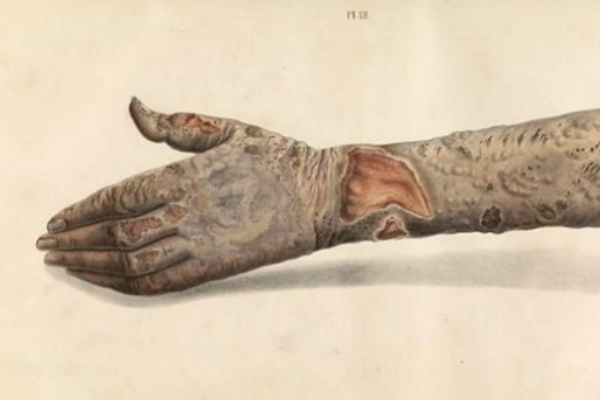
Leprosy is caused by a specific bacteria, and it can lay dormant in your body for 1 to 20 years before blowing up. The good news? It’s 100% treatable these days. But here’s the kicker: If you don’t get treatment ASAP, the bacteria attacks your nervous system—and can even lead to losing body parts, like fingers. Yikes.
#9. Gout
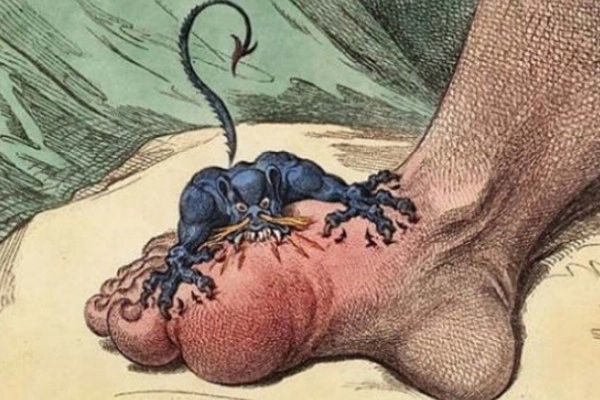
Once dubbed the "disease of kings" (thanks to all those rich, fatty feasts), gout is basically arthritis triggered by too much uric acid in your blood. It’s one of the oldest diseases we know of—cases go all the way back to 2640 BC in Egypt! You can treat it with NSAIDs (over-the-counter anti-inflammatories), but if you’ve got chronic gout? You’ll need to tweak your lifestyle to keep it in check. No more late-night burger runs, sorry.
#8. Meningitis
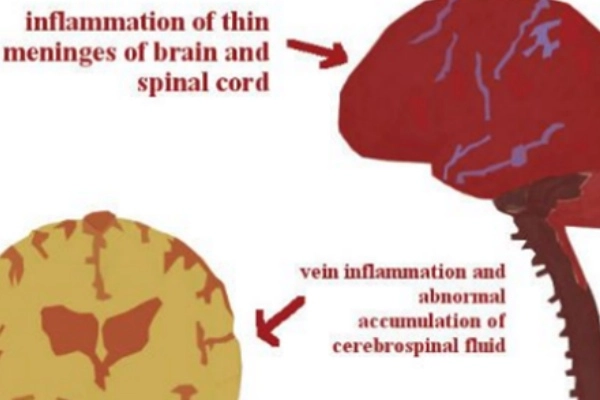
Meningitis is when the membranes around your brain get inflamed. It can be caused by viruses, bacteria, fungi, parasites—even lupus—so treatment depends on what’s causing the chaos. There’s a vaccine for bacterial meningitis, but here’s the scary part: If you don’t get treated RIGHT AWAY, it can kill you in hours. And even if you survive, you might be stuck with permanent issues like hearing loss or brain damage.
#7. Heart Disease

Heart disease has been around since ancient Egyptian pharaohs—and it’s still one of the deadliest diseases out there. In the US alone, 1 in 4 deaths is from heart disease. Pro tip, guys: Get a checkup every year, keep an eye on your blood pressure and family history, chow down on more veggies, and live healthy to slash your risk.
#6. Scarlet Fever

Scarlet fever hits you with a bright red rash that covers most of your body—plus a sky-high fever. It’s a bacterial infection, usually popping up in people who already have strep throat (same bug!). It mostly targets kids aged 5 to 15. Thanks to antibiotics, it’s no longer a death sentence—but if you skip treatment, the bacteria can go after your internal organs. Not cool.
#5. Bubonic Plague

The bubonic plague (you know, the Black Death?) killed 1 in 3 Europeans back in the 1300s—and surprise, it’s still hanging around today. There are a handful of cases every year (about 10) in the southwestern US, mostly from prairie dogs carrying the bacteria. It’s caused by Yersinia pestis, spread by touching infected animals or getting bitten by fleas. Antibiotics can cure it, but wait too long? You’ll get高烧 (high fevers), weakness, chills, swollen lymph nodes, and die a super painful death. Nope, nope, nope.
#4. Gonorrhea

Gonorrhea is an STD—and it’s SO easy to prevent with proper protection. It infects your genitals and throat, and pregnant women can pass it to their babies. And here’s the big one (remember the title?): Just like chlamydia, skip treatment, and it can cause pelvic inflammatory disease (PID) in women—which leads to infertility. Protect yourself, people!
#3. Cholera
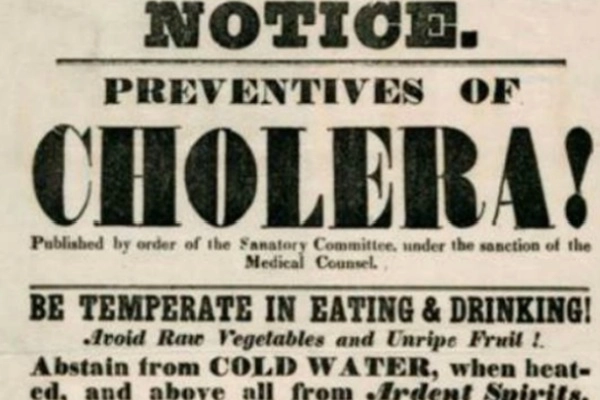
Cholera’s main M.O.? Severe diarrhea. Get a bad case and don’t get help fast? You can die from dehydration or infection in hours. Luckily, it’s super rare in developed countries (shoutout to good hygiene!). It spreads through contaminated water—most people only get mild diarrhea and dehydration. There’s an oral vaccine, and severe cases need IV fluids and antibiotics to bounce back.
#2. Diphtheria

Diphtheria is a bacterial infection that forms a thick, gray, dead-tissue "membrane" at the back of your throat—making it nearly impossible to breathe. You’ll also get high fevers, weakness, and swollen neck glands (think "bull neck"). Back in 1921, the US had a massive diphtheria outbreak: over 200,000 cases and 15,000 deaths. Today, though? Antibiotics and antitoxins have got our backs.
#1. Dysentery

Dysentery killed tons of people traveling the Oregon Trail back in the day—and it’s still a huge public health nightmare in developing countries. It spreads through contaminated food and water, so if you live somewhere with clean water and good hygiene? Count your lucky stars. Heads up, though: Some dysentery strains have started resisting antibiotics lately. Yikes, science vs. germs round 2!

Comments
Share your experience