Forget horror movies—these 10 real mummies are way scarier! Cursed knights, live-buried infants, and lifelike “sleeping” children… every story will make your hair stand on end.
TOP 10. Greenland Baby Mummy
Live burials are haunting enough, but an infant’s? It’s a chilling rarity. In Qilakitsoq, Greenland, archaeologists found a perfectly preserved 6-month-old baby girl mummy, frozen by the harsh climate. She was buried as a sacrificial companion to her mother, an Inuit custom then. Her bizarre, contorted face—showing unimaginable final suffering—earns her a spot among the world’s scariest mummies.
TOP 9. Guanajuato Mummies (Mexico)
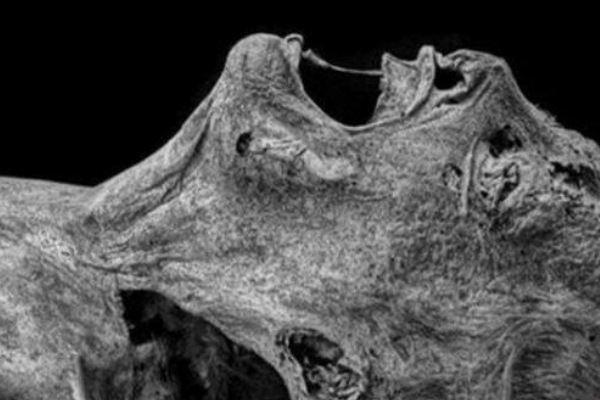
Mexico’s Guanajuato mummies are among the world’s weirdest and scariest. Twisted, horrified expressions on some prove they were buried alive. Naturally mummified by the dry environment, they were exhumed because few families could afford a historic cemetery tax. Stored in a building that became a mummy museum, they now draw brave visitors globally.
TOP 8. Lunahuana Mummies
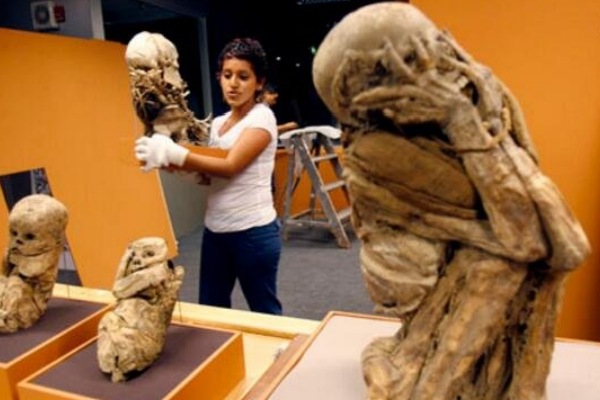
At first glance, these mummies seem to have died cross-legged. In fact, Peru’s Chauchilla Cemetery mummies were intentionally seated facing the rising sun pre-burial. The scorching desert and cotton wrapping preserved them remarkably well, standing as eerie proof of ancient burial traditions. Stick around—what’s coming up next is even more spine-chilling!
TOP 7. Rosalia Lombardo (Italy)
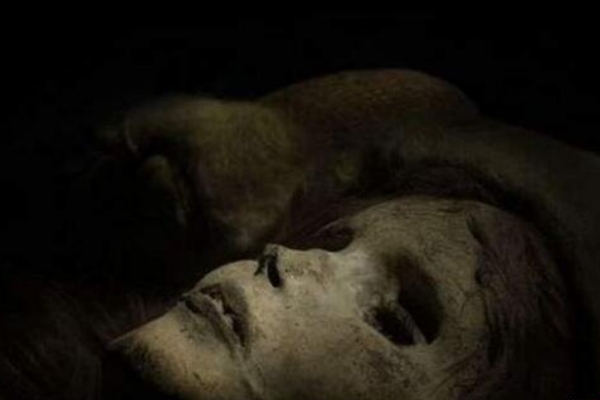
This eerily well-preserved mummy looks like she’s napping—making her one of the scariest. Two-year-old Rosalia died of pneumonia in 1920 Sicily. Her grief-stricken father hired renowned embalmer Alfredo Salafia, whose masterful work left her almost lifelike, a haunting sight. Keep reading—you won’t want to miss the terrifying stories of the mummies ahead!
TOP 6. Painted-Face Egyptian Mummy
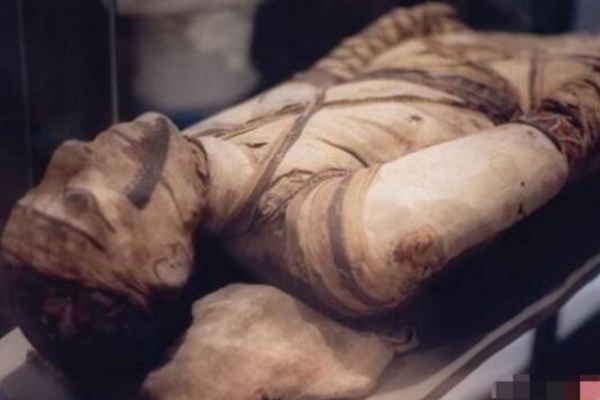
When we think of mummies, Egypt is usually the first place that comes to mind. Countless stories and movies feature these wrapped-up remains coming back to life to haunt the living. But the strange painted-face mummy on display at the British Museum takes “creepy” to a whole new level. Its eerie appearance and ominous vibe make it stand out as one of the most terrifying Egyptian mummies ever discovered.
TOP 5. Christian Friedrich von Kahlbutz’s Mummy
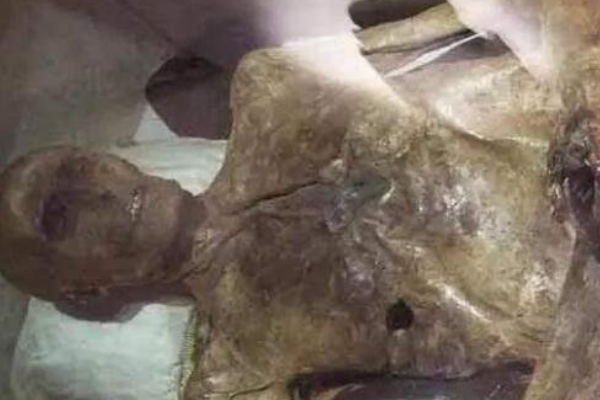
This grotesque mummy belongs to German knight Christian Friedrich von Kahlbutz, a notorious villain who claimed “prima nocta” rights. He killed a shepherd after his wife refused him, yet was acquitted via noble oath. Legend says his curse—“If guilty, may my body never decay”—came true, though experts attribute preservation to natural processes. Don’t stop here—the next mummies have even more shocking backstories waiting for you!
TOP 4. Ramesses II (Egypt)

This spine-chilling yet regal mummy is none other than that of Ramesses II, the great Egyptian pharaoh. It’s widely regarded as one of the best-preserved mummies in the world. The linen cloth wrapped around Ramesses II is covered in hieroglyphics, which tell the story of how priests were forced to move his body after his original tomb in the Valley of the Kings was looted by grave robbers.
TOP 3. The Strap Woman (Denmark)
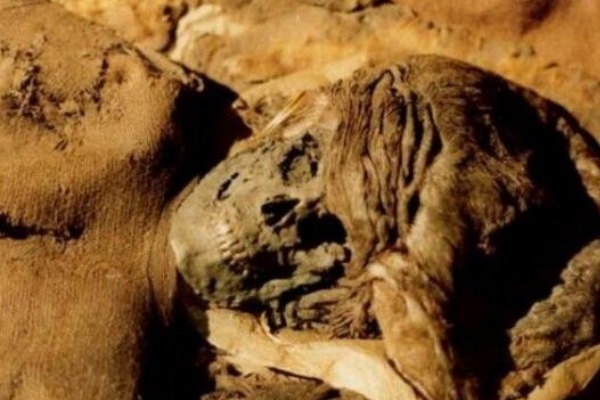
Once upon a time, this terrifying grinning skull belonged to a slim, tall young woman. Her coffin and the herbs placed with her have long since rotted away, but her body and clothing remain surprisingly well-preserved. Experts believe they would have been even better preserved if the layer of clay covering her hadn’t been disturbed a few years before her discovery.
TOP 2. Ginger the Mummy
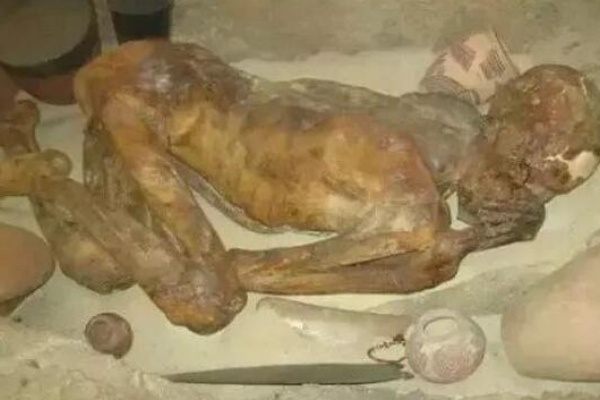
Nicknamed “Ginger” (thanks to his reddish hair), this Egyptian mummy predates the era when the Egyptians began intentionally mummifying their dead. Ginger was an adult man who died over 5,000 years ago. His body was buried directly in the dry desert sand—which is why it’s so well-preserved. He’s just one of many early Egyptian mummies that formed naturally, but he’s widely considered the oldest and scariest of the bunch.
TOP 1. The Gallagh Man (Ireland)
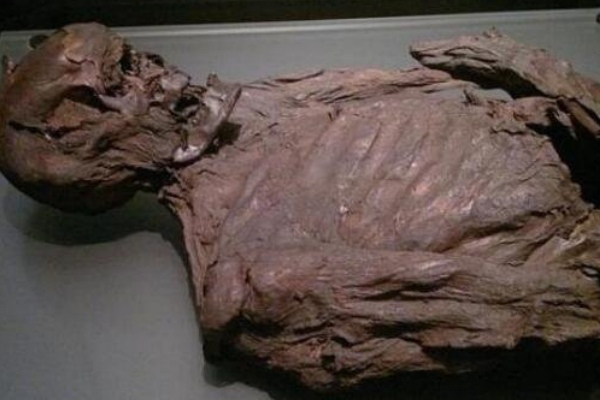
This bizarre-looking, terrifying mummy is known as the Gallagh Man. He was discovered in a bog in Ireland back in 1821. Instead of moving him from his resting place, the people who found him reburied him. For years afterward, whenever someone wanted to catch a glimpse of him, they’d dig him up briefly before burying him again. And there he remained, undisturbed for the most part, until modern archaeologists stepped in.

Comments
Share your experience