I killed my first perennial bed in one season. Planted 12 cone-flowers in heavy clay, watered every day, and they rotted by August. Meanwhile, the $4 six-pack of marigolds I shoved into a trash-pile patch thrived all summer. That contrast taught me the real answer to annual vs perennial flowers. It's not just about lifespan. It's about matching plant type to your soil, budget, and patience. This guide breaks down what actually matters before you buy.
What This Guide Covers
- What's the Real Difference Between Annual and Perennial Flowers?
- How Do Annual vs Perennial Flowers Compare on Cost?
- When Annual Flowers Are the Smarter Pick
- When Perennials Pay Off (and When They Don't)
- How Do Care Needs Differ Between Annual and Perennial Flowers?
- FAQ: Real Questions From My Garden Notebook
What's the Real Difference Between Annual and Perennial Flowers?
Annual flowers complete their whole life cycle in one growing season. You plant them, they bloom, set seed, and die. Perennials come back from their root system year after year. But here's the part most guides skip: some "annuals" like snapdragons and calendula are actually tender perennials. They just die in cold winters. In zone 8b, my snapdragons survived two mild winters. In zone 5, they'd be gone. So the answer depends on your climate, not just the label on the tag.
I planted cosmos and zinnias every year for five seasons straight. Never had to buy new seeds after the first pack because the self-seeding was so aggressive. That's a gray area: they're annuals that act like perennials if you let them drop seed. Fennel and dill do the same thing. If you want control, deadhead. If you want free plants next year, don't.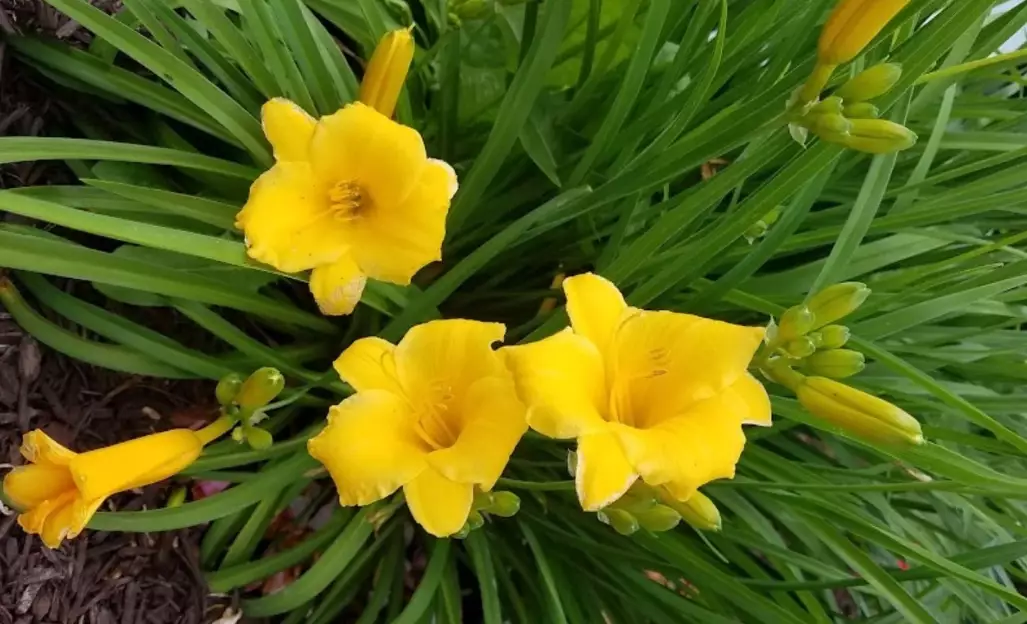
How Do Annual vs Perennial Flowers Compare on Cost?
First-year cost is where annuals win easily. A flat of 18 petunias runs about $12 at my local nursery. A single 1-gallon perennial like a coneflower costs $10 to $15. So for immediate color on a budget, annuals win. But run the numbers over five years and the picture flips.
| Factor | Annual Flowers | Perennial Flowers |
|---|---|---|
| First-year cost for 18 plants | $12 to $18 | $90 to $180 |
| Cost by year five | $60 to $90 | $90 to $180 (no replacement) |
| Time to first bloom | 6 to 8 weeks from seed | 1 to 2 years (sometimes 3) |
| Maintenance per season | Water, deadhead, replant | Divide every 3 years, cut back in fall |
| Best for | Renters, container pots, quick fixes | Homeowners, long borders, low-water beds |
My rule of thumb: if I'm moving within two years, I plant annuals. No sense leaving a $150 perennial investment to the next tenant.
When Annual Flowers Are the Smarter Pick
Annuals shine in beds where you want instant impact. I always recommend them for these situations:
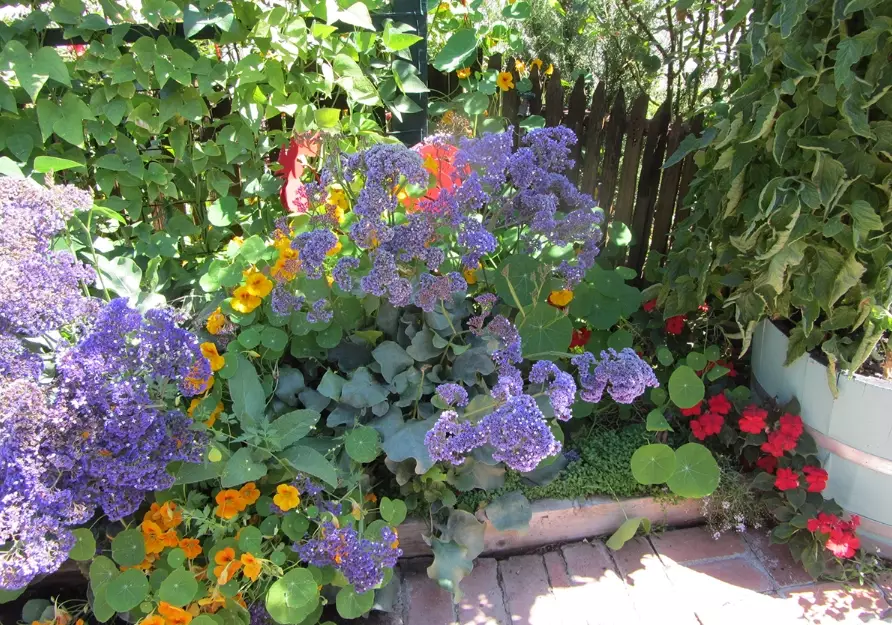
- Rental yards and balcony pots — you can move them or replace them without guilt. No digging, no permanent commitment.
- Beds with soil problems — if your soil is compacted or has bad drainage, annuals let you test conditions without risking a multi-year investment.
- Cutting gardens — zinnias and cosmos produce more stems per square foot than most perennials. I cut 20+ stems a week from a 4x8 bed.
- Filling gaps between young perennials — this is the pro move. Annuals cover bare mulch while slow perennials establish.
One annual I avoid: impatiens. Downy mildew wiped mine out two years running. If you want shade color, try begonias instead. They cost a little more upfront but don't melt into slime.
When Perennials Pay Off (and When They Don't)
Perennials make sense when you plan to stay put and want a garden that gets better each year. But they're not magic. I've seen plenty of new gardeners buy expensive perennials and get nothing but leaves for two seasons. The problem is usually timing: planting in late summer instead of early fall. Fall planting gives roots time to settle before winter. Spring planting means the plant spends its energy on survival, not blooms.
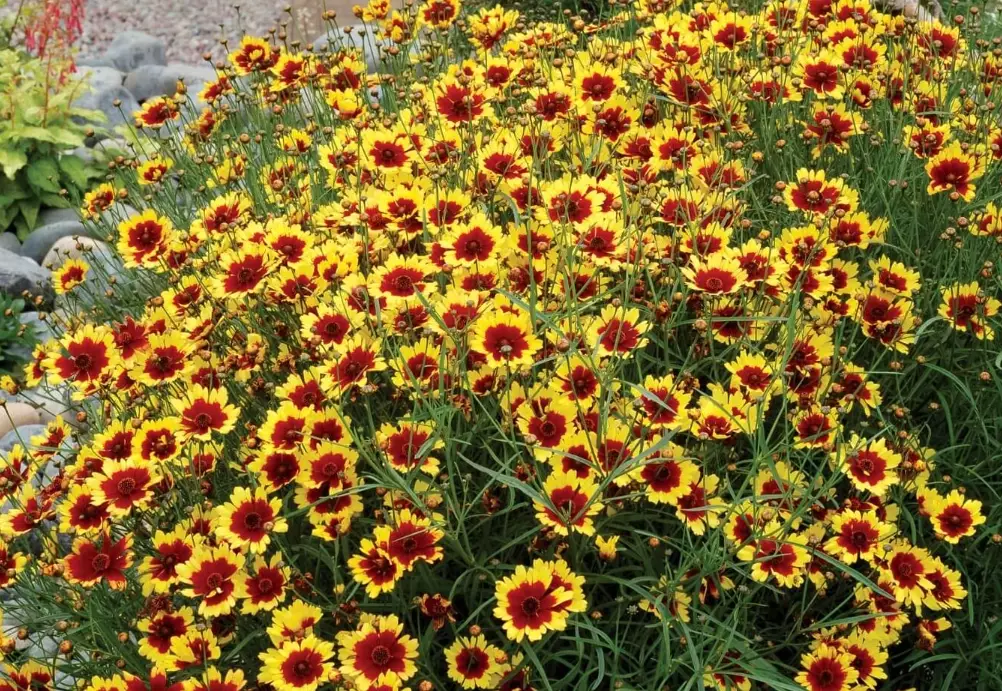
My favorite reliable perennials for beginners: coneflower, black-eyed Susan, daylily, and salvia. All handle drought once established. Avoid delphiniums and lupines unless you're ready to fight slugs and powdery mildew. They look stunning in photos but demand constant attention.
A non-obvious benefit of perennials: they support pollinators through the whole season. Annuals often peak and fade. A mix of both keeps bees fed from spring to frost.
How Do Care Needs Differ Between Annual and Perennial Flowers?
Annuals need more consistent water because their root systems are shallow. Perennials, once established, usually need less. But here's what nobody tells you: fall cleanup is harder for perennials. You can't just yank them out. You have to cut back, divide, and sometimes protect crowns from frost heaving. I lost three heucheras one winter because I didn't mulch after a thaw-freeze cycle.
Annuals, on the other hand, demand deadheading. Skip it and zinnias and marigolds stop blooming. I spend about 15 minutes every other evening pinching off spent flowers. It's meditative if you don't hate it. If you do, choose self-cleaning annuals like begonias or vinca.
Fertilizer needs differ too. Annuals are heavy feeders because they bloom nonstop. I use a liquid fish emulsion every two weeks. Perennials usually need one spring feeding. Overfeeding perennials causes floppy growth and fewer flowers — a mistake I made with yarrow. It grew 4 feet tall and fell over in the first rain.
FAQ: Real Questions From My Garden Notebook
Can I plant annuals directly into a perennial bed without digging everything up?
Yes, but leave at least 12 inches around each perennial crown. I tuck annuals into the front edge of my beds where the perennials haven't filled in yet. The annual roots stay shallow and don't compete much. Just pull them at season's end and add a handful of compost.
My perennial didn't come back after winter. What went wrong?
Check the crown. If it's mushy, you had rot from poor drainage. If it's dry and brittle, winter desiccation or frost heaving killed it. I now mark perennial spots with small wooden stakes so I don't accidentally dig them up in spring. That's a mistake I made twice with dormant echinacea.
Is it cheaper to start annual flowers from seed indoors?
Only if you have a sunny window and don't mind the mess. A $2 packet of zinnia seeds can produce 30 plants. But you need grow lights or a south-facing windowsill, and you must harden them off gradually. I lost an entire tray of seedlings one year because I put them outside too early. A late frost took them overnight. Now I direct-sow zinnias after the last frost and skip the indoor hassle.
Do deer prefer annuals or perennials?
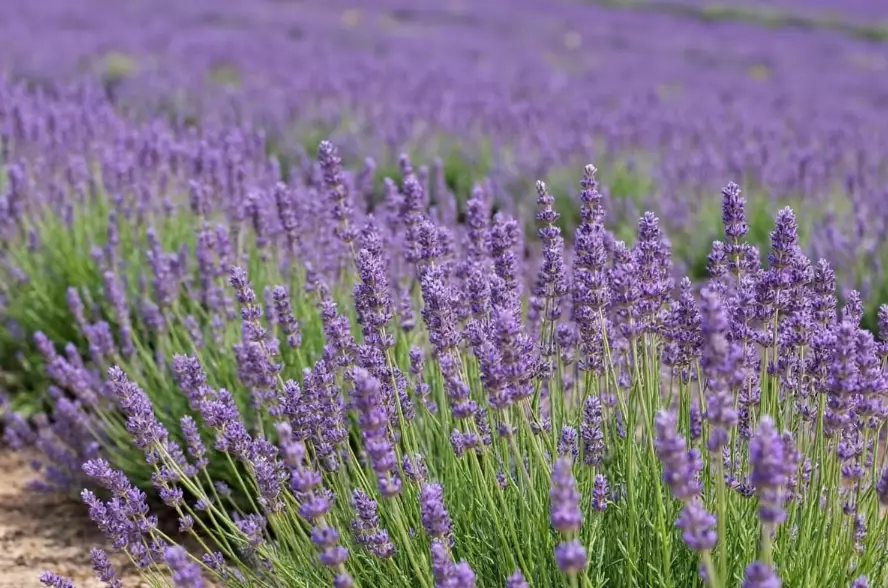
Deer eat both, but they hit annuals harder in my experience. Hostas (perennials) get browsed, but annual impatiens and pansies get mowed to the ground. If deer pressure is high, plant strong-smelling perennials like lavender, bee balm, and Russian sage. They're not deer-proof, but they're deer-resistant enough to survive.
This article was fact-checked against USDA hardiness zone guidelines and my own garden records from five consecutive growing seasons.

Comments
Share your experience